
Wasp Control Brisbane
Understand wasp nest risks, identification, treatment considerations and safe management around Brisbane homes and businesses.
Request Wasp ControlWhere nests form
Wasp activity and nests
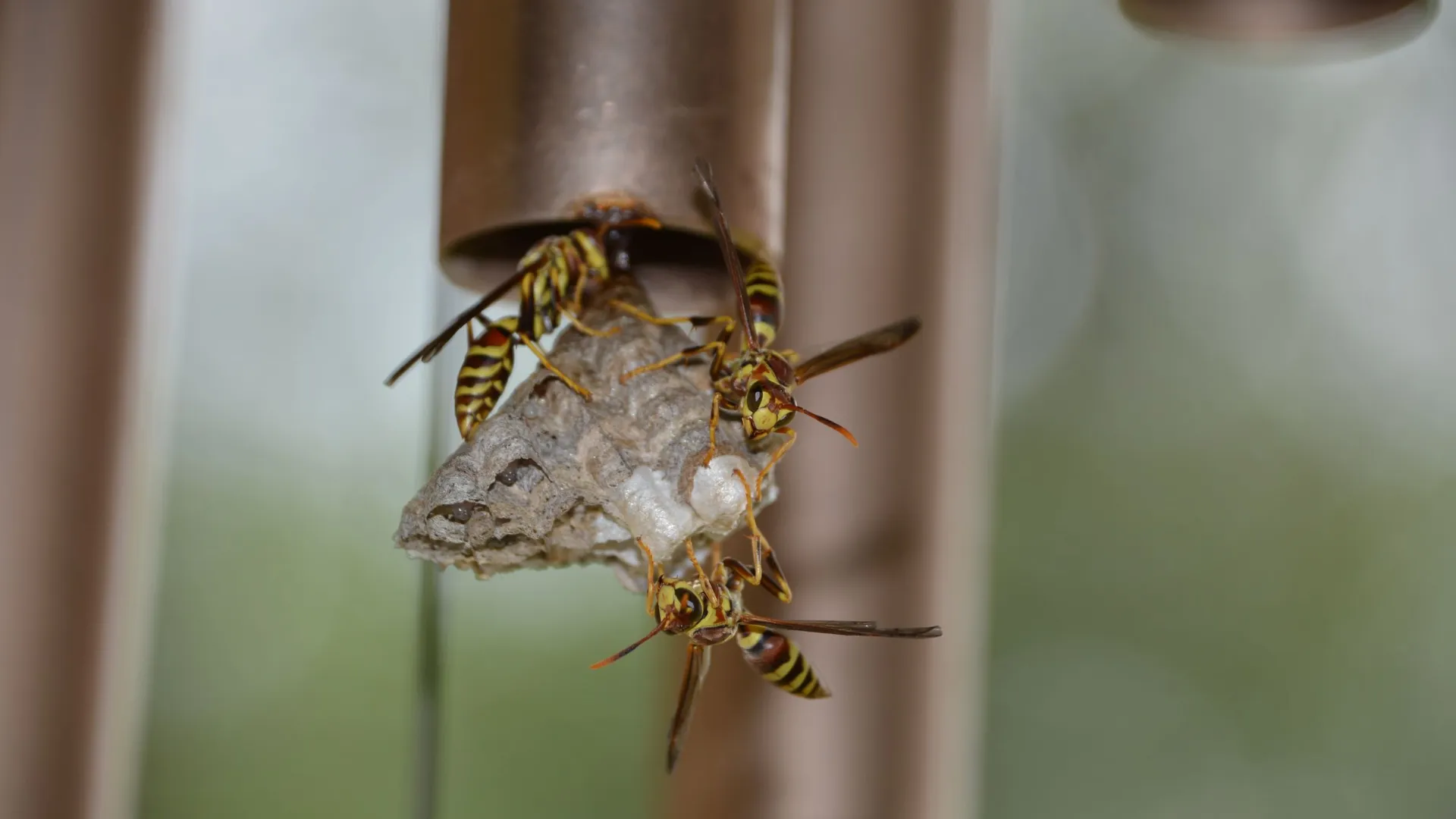
Wasps can build nests around eaves, roofs, sheds, gardens, fences and other sheltered areas. Activity can increase when nests are established or disturbed.

Safety first
Stay back from an active wasp nest
!
Do not disturb an active nest
Approaching, spraying or attempting to remove an active nest can increase sting risk. Keep people away and arrange appropriate professional assistance.
!
Treat an active nest as a safety issue
Wasp nests can become defensive when disturbed, and the risk is higher when people or pets regularly pass nearby. Avoid poking, hitting, burning or spraying an active nest with an improvised product. Keep the area clear and give the provider information about where the nest is located. If the nest is high, concealed or close to an entrance, explain that when booking so the technician can consider access and safety.
!
Keep children and pets away from the nest
Knocking a nest down or applying an improvised spray can cause wasps to become defensive. Keep children and pets away and avoid standing beneath the nest. If someone in the household has a known severe allergy, tell the provider before the visit. The treatment plan can then take the actual site risk into account.
Wasp nest removal Brisbane
Choosing the right wasp control service in Brisbane
When comparing wasp control Brisbane options, focus on the actual problem, the property conditions and the scope of work rather than a generic promise. Provide the suburb, property type, affected area, visible evidence and any relevant history. A suitable local provider should explain the recommended approach, preparation requirements, safety considerations and whether follow-up is appropriate. Use the information on this page to understand the service and then request an assessment or quote based on the circumstances of your Brisbane property.
Risk
How nest location changes the risk
Lower risk
Higher risk
Location
Nest location matters
The height, access, structure and location of a nest affect the safest treatment approach. Commercial properties may also need to consider customers, staff and operating hours.
Proximity
The nest location determines the risk
A wasp nest above a frequently used doorway presents a different risk from one hidden in a remote garden. Height, access, visibility and proximity to people should all be communicated when requesting help. Customers should not approach the nest to measure it. A safe description from the ground is enough for the provider to understand the general situation.
Occupied areas
Give priority to occupied areas
A nest near a frequently used path, entrance or outdoor seating area should be described clearly when the service is booked. The provider can then consider how people will be kept away during assessment and treatment. Do not attempt to create access to a concealed nest yourself.
Doorways and paths
Tell the provider how close the nest is to people
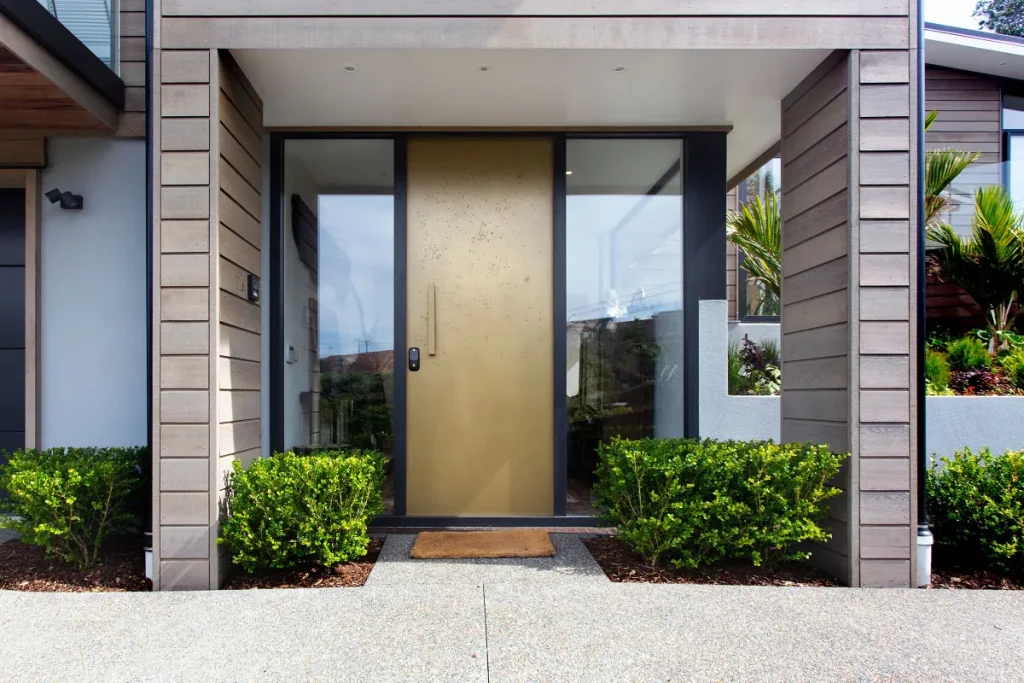
A nest beside a doorway, pool, outdoor table or children's play area deserves different urgency from one in an unused part of a large garden. The customer should explain how often people pass the location and whether anyone has already been stung. This helps the provider understand the practical risk before attending.
Found a nest near a door or path?
Keep people away and describe where it is from a safe distance.
Booking notes
What to share before wasp nest treatment
Nest position
Nest location changes the treatment plan
A nest beneath an eave can present different access requirements from one inside a wall cavity or high tree. The technician should identify the nest and assess how it can be treated safely. Customers should not climb ladders or approach the nest to obtain a better photograph. A distant image, approximate height and location are usually more useful than putting someone at risk.
Access
Plan access before the technician arrives
If the nest is near a gate, doorway, pool, balcony or other busy area, tell the provider before attendance. The technician may need a clear working area and a way to approach the nest safely. Customers should not create access by moving ladders, furniture or vegetation themselves. A little information at booking can make the assessment safer and more efficient.
History
Keep treatment records
If a property has recurring wasp activity, note where nests have previously appeared and whether landscaping or building conditions changed. A pattern may help identify preferred nesting locations. Future inspections can then focus on those areas without requiring the customer to disturb an active nest.
Commercial premises
Wasp control for businesses and outdoor areas

Businesses and outdoor areas
Restaurants, cafes, schools, offices and other premises can have wasp activity near outdoor seating, entrances, bins and landscaping. Commercial treatment needs to account for people using the area and any temporary restrictions. The provider should explain when the area can be safely accessed again based on the treatment actually used.
Commercial sites need access planning
Outdoor dining areas, entrances, schools, workplaces and public-facing premises may need wasp treatment coordinated around people. The provider should explain when treated areas can be accessed again according to the method used. Do not assume a universal waiting time from another service.
Treatment and removal
Treatment and nest removal are not always identical
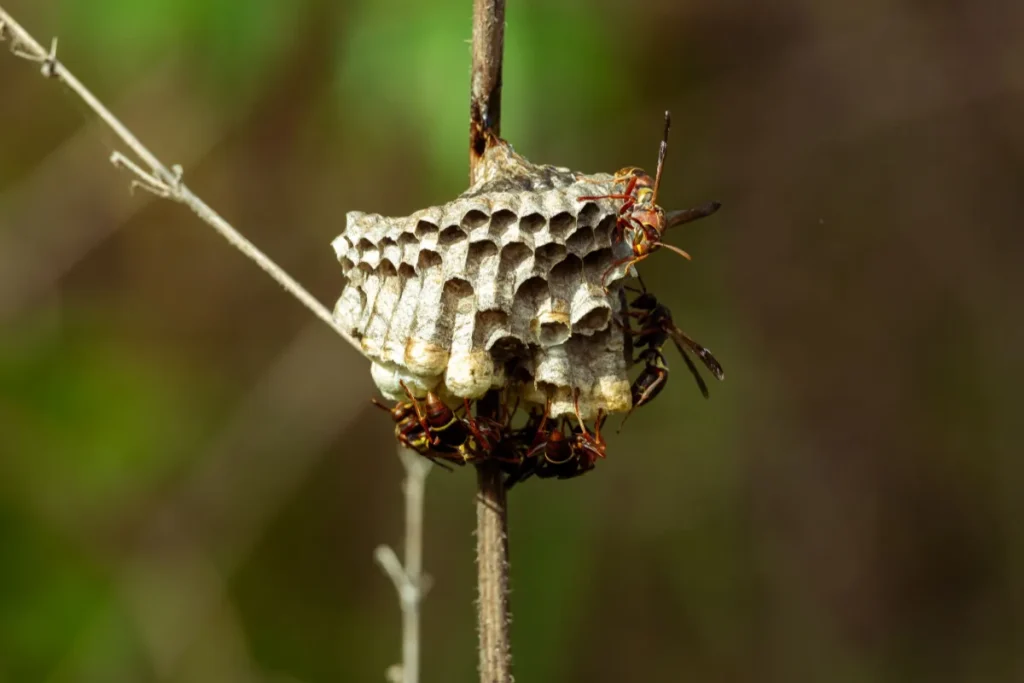
The service may involve treating an active nest, removing it after activity has been controlled or addressing an inaccessible nest through another method. The provider should explain what is included. Concealed nests can require a different approach from an exposed paper nest.
Follow-up
After treatment
Ask the provider whether follow-up is required and whether the nest should be removed or left according to the treatment method and site conditions.
Queensland requirements
Licensing for wasp treatment in Queensland
Queensland treatment requirements
Pesticide-based pest management is regulated under Queensland's Medicines and Poisons framework. Queensland Health states that a pest management technician must hold a current licence for the relevant activity, with additional authorisation possible for certain settings.
Use an appropriately authorised technician
Wasp control Brisbane services involving pesticides fall under Queensland's pest-management framework. Queensland Health states that the relevant current licence and authorisation are required.
Before treatment
Identify the pest and check the whole property
Identify the pest
Wasp-like insects can be confused with bees or other insects. Identification matters because management methods and environmental considerations can differ.
Check for more than one nest
Some properties can have wasp activity in several sheltered locations. A treatment visit can therefore include a broader visual assessment where appropriate. Customers should not search roof spaces or climb ladders themselves. Give the technician information about the areas where activity has been noticed and let the professional determine what can be safely inspected.
FAQs
Frequently asked questions
Common questions about wasp nests, safety and treatment for Brisbane homes and businesses.
Should I remove a wasp nest myself?
No. Active wasp nests can present a sting risk. Use an appropriate pest professional, particularly where the nest is difficult to access.
How do I know if a nest is active?
Repeated wasp activity around an opening or structure can indicate an active nest, but professional assessment is safest.
Can wasps build nests under eaves?
Yes, sheltered building areas can provide suitable locations. Do not disturb suspected active nests.
Are wasps dangerous?
Wasp stings can cause significant reactions in some people. Avoid disturbing active nests and seek medical help for concerning symptoms after a sting.
Can wasp nests be treated at night?
Some pest professionals may schedule treatment at particular times based on species and site conditions. The provider should determine the safest timing.
Will wasps return after a nest is treated?
Future activity can occur if suitable nesting conditions remain. A provider can advise on relevant prevention measures.
Can wasp control be used at businesses?
Yes, but treatment should consider staff, customers, access and operating requirements.
What should I do if a wasp nest is near a doorway?
Keep people away from the area and arrange professional assessment rather than attempting to disturb the nest.
Can a wasp nest be removed after treatment?
Removal depends on the nest location, treatment method and provider's assessment.
How can I reduce wasp nesting around a property?
Maintain suitable building areas, reduce sheltered nesting opportunities where practical and address recurring activity with professional advice.
Need an active wasp nest assessed safely?
Share the suburb, where the nest is and how close it is to people.