
Understand rat and mouse activity, property entry points, sanitation, treatment considerations and prevention for Brisbane homes and businesses.
Request Rodent ControlHow rodent control works
1
Rats and mice can enter buildings through relatively small gaps and may be attracted by food, waste, water and shelter. Signs can include droppings, gnawing, scratching noises, nesting material or damaged packaging.
2
Treatment is more effective when likely entry and harbourage conditions are considered. Roof spaces, wall cavities, garages, kitchens, storage areas and external service penetrations can all warrant attention.
3
Good hygiene and waste management can reduce attractants, but cleaning alone may not resolve an established infestation. Food should be stored appropriately and waste areas maintained.
4
Rodent control methods vary with the property and circumstances. The provider should explain the proposed approach, placement considerations and any safety requirements, particularly where children, pets or food are present.
5
Sealing appropriate entry points and reducing harbourage can form part of longer-term management. Follow-up inspection may be useful where activity is recurring.
Choosing a provider
When comparing rodent control Brisbane options, focus on the actual problem, the property conditions and the scope of work rather than a generic promise. Provide the suburb, property type, affected area, visible evidence and any relevant history. A suitable local provider should explain the recommended approach, preparation requirements, safety considerations and whether follow-up is appropriate. Use the information on this page to understand the service and then request an assessment or quote based on the circumstances of your Brisbane property.
Tracing activity
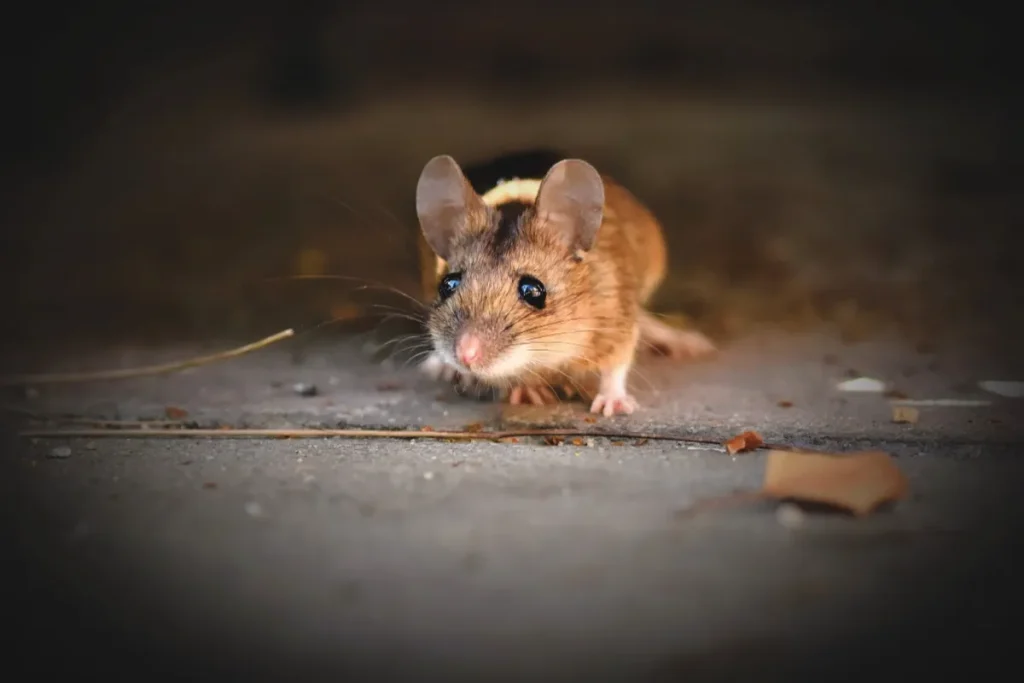
A rat or mouse seen in a kitchen is often only one part of the problem. Rodents can move through wall cavities, roof spaces, under buildings and around stored materials. Droppings, gnawing, nesting material and scratching can help identify movement areas. A technician may inspect food storage, waste areas, service penetrations and likely entry points before selecting a control method. The objective is to reduce the active population while understanding how the property is allowing access.
Rodent exclusion
01
Rodent control can be less effective when entry points remain open. Gaps around pipes, doors, vents, roof structures and other penetrations should be considered after active pathways are understood. Sealing everything immediately is not always the right first step because rodents may still be inside. A sensible sequence is to assess activity, implement appropriate control and then address practical entry points. Customers should ask which gaps are relevant rather than attempting indiscriminate sealing across the building.
Food and storage
Rodents can take advantage of accessible food and shelter. Kitchens, bins, pet food, stockrooms and poorly sealed storage can all be relevant. Businesses should also review delivery and waste areas because these can provide repeated opportunities for rodents to enter. Good housekeeping supports pest management but does not replace treatment when an infestation is established. A technician can identify which environmental changes are likely to make a meaningful difference on the particular site.

!
Safety
Where pesticides or baits are used, placement and access matter. Children, pets, wildlife, food areas and other sensitive circumstances should be disclosed before treatment. Follow the technician's specific instructions and do not add other products without advice. Queensland Health states that regulated pest management activity using pesticides or fumigants must be undertaken by a person with the relevant current licence and authorisation.
Hearing scratching or finding droppings?
Describe where the signs are and when activity seems to happen.
Routes and repairs
02
A visible rat or mouse is often evidence of a wider movement pattern. Look at where droppings, gnaw marks and nesting material occur, then consider how the animal could be moving between those areas. Roof cavities, wall spaces, under-floor areas and service penetrations can all provide shelter. A technician can use the pattern to determine where inspection and control should be concentrated.
03
Once active rodent pathways are understood, practical exclusion can become part of the management plan. Door gaps, broken vents, service penetrations and roof openings are examples of areas worth checking. The correct repair depends on the building. Sealing an opening without considering whether rodents remain inside can create a new problem, so the timing of exclusion should be discussed with the pest professional.

Waste
Rodents can exploit small and predictable food sources. Pet food, unsecured bins, pantry goods, commercial stock and food-preparation areas can all be relevant. The aim is not to blame the occupant for the infestation. It is to identify conditions that can be changed alongside professional treatment. A commercial site may also need to review deliveries, storage and waste collection patterns.
Pets
Rodent control may involve traps, baits or other authorised methods. Placement needs to consider children, pets and non-target animals. Customers should disclose these circumstances before treatment and follow the technician's instructions. Do not combine different rodent products or add household chemicals without advice. Queensland Health regulates pesticide-based pest management and requires the relevant current licence and authorisation.
Your rodent plan
After treatment, ask what signs should be monitored and which building conditions should be corrected. If activity returns, the previous report can help establish whether the same entry route or environmental condition is involved. That history makes future rodent control Brisbane work more targeted.
Patterns and neighbours
The timing of rodent activity can be informative. Noises that occur after the property becomes quiet may suggest roof or wall movement, while repeated daytime sightings in food areas may indicate a more established presence. These observations are not a diagnosis, but they can help the technician decide where to inspect first. Record the location rather than chasing the animal around the property.
In some settings, rodent pressure can be influenced by nearby waste, construction, vegetation or shared building areas. This is particularly relevant to apartments, commercial properties and closely spaced homes. A property owner cannot control every external condition, but understanding the wider environment can explain why an otherwise well-maintained building continues to experience activity. The pest professional can advise which factors are realistically relevant.
FAQs
Common questions about rats and mice in Brisbane homes and businesses.
Signs can include droppings, gnaw marks, scratching noises, nesting material, odours or repeated sightings.
Yes. Rodents can use relatively small openings, so identifying and addressing suitable entry points can be important.
Treatment can address current activity, but sanitation, exclusion and removal of harbourage may also be needed.
They may use roof spaces, wall cavities, cupboards, storage areas, garages and other sheltered locations.
Store food securely, manage waste, clean spills and address accessible food and water sources.
Safety depends on the method used. Tell the provider about pets and follow all placement and access instructions.
Rodents can gnaw various materials, including some electrical components. Suspected electrical damage should be assessed by an appropriate professional.
Timing varies with the level of activity, building layout, treatment method and whether follow-up is required.
An inspection can be useful when the source, access route or extent of activity is unclear.
They can if entry routes, food sources or harbourage remain available. Prevention should address the conditions supporting activity.
Ready to stop rodents getting in?
Share the suburb, the signs you've found and where activity seems strongest.
