

Spider Control Brisbane
Information about spider activity, webs, outdoor conditions, treatment options and safety considerations for Brisbane properties.
Request Spider ControlAt a glance
Spider control Brisbane at a glance
Spider activity around Brisbane homes
Spiders can be found in gardens, garages, roof spaces, sheds, fences and sheltered parts of buildings. Webs and repeated sightings can indicate areas where insects and spiders are finding suitable conditions.
Reduce conditions that support spiders
Outdoor lighting, vegetation, insects, clutter and sheltered structures can influence spider activity. Reducing attractants may complement professional treatment.
Treatment areas
Depending on the service, treatment may focus on external areas, entry points or other locations identified during assessment. The provider should explain the scope.
Spider treatment Brisbane
Choosing the right spider control service in Brisbane
When comparing spider control Brisbane options, focus on the actual problem, the property conditions and the scope of work rather than a generic promise. Provide the suburb, property type, affected area, visible evidence and any relevant history. A suitable local provider should explain the recommended approach, preparation requirements, safety considerations and whether follow-up is appropriate. Use the information on this page to understand the service and then request an assessment or quote based on the circumstances of your Brisbane property.
Shelter and prey
Why lights and insects matter
Spiders often reflect the wider environment
Spider activity can increase where a property provides shelter and a steady supply of insects. Webs around lights, eaves, sheds and garden structures can therefore be useful clues. Reducing spiders may involve addressing both the spiders and the conditions that support their prey. A technician can assess where treatment is appropriate and whether outdoor conditions are contributing to repeated activity.

Spider activity often has an ecological clue
A property with many insects can provide more food for spiders, while sheltered corners provide places to build webs. Outdoor lighting can attract flying insects around entrances, which can indirectly make those locations attractive to spiders. Looking at these relationships can be more useful than simply removing webs. A professional can assess whether the property has a recurring environmental pattern or only occasional visitors.
Identification and safety
Identification, safety and spider bites
Identify the spider where possible
Not every spider requires the same response. Identification can be useful where there is concern about a particular species or repeated activity.
Safety and bites
Avoid handling unfamiliar spiders. If a bite occurs, seek appropriate medical advice, particularly if symptoms are concerning or the spider may be medically significant.
Identification and safety
Some spiders are harmless visitors while others can present a safety concern. Do not handle an unfamiliar spider for identification. A photograph from a safe distance can assist preliminary discussion, while a professional can determine whether the issue needs treatment. If someone has been bitten and experiences concerning symptoms, seek appropriate medical assistance rather than relying on pest-control advice.
Identification protects against the wrong response
Spider species can differ in appearance and behaviour, and a customer should not handle an unfamiliar specimen to identify it. A clear photograph from a safe distance can help with an initial discussion. If someone has a concerning bite reaction, medical advice is more appropriate than attempting to identify the spider from memory.
Webs coming back in the same places?
Tell us where they appear and what is nearby.
Outdoor areas
Outdoor spider treatment should be targeted

Roof edges
Garden
Patio
Outdoor areas need a different approach
Patios, garages, fences, gardens and roof edges can be important spider harbourage. Dense vegetation, stored materials and low-disturbance areas can make these spaces attractive. Maintaining access around the building and reducing unnecessary clutter can support professional treatment. Customers should not assume that every web needs chemical treatment; the relevant response depends on the species, location and level of activity.
Outdoor treatment should be targeted
Garages, sheds, patios, eaves and garden structures can all support spider activity. Treatment should be applied where appropriate rather than indiscriminately across every outdoor surface. Customers should ask which areas are being treated and why. Reducing clutter and managing vegetation can also make future inspection easier.
Keep treatment proportionate
Not every spider sighting justifies a whole-property treatment. If activity is limited to a garden shed or one external area, the appropriate response may be much narrower. Customers should ask which locations require treatment and what conditions are contributing. A targeted approach can be more practical than applying products to areas with no evidence of activity.
Indoors
Indoor sightings need context
If spiders are appearing in bedrooms, bathrooms or living areas, note whether the sightings are concentrated around windows, doors, ceiling edges or stored items. Check whether insects are also common in the same places. This information can help determine whether the spiders are entering from outside or finding suitable harbourage indoors. The response should depend on the species and the actual level of activity.
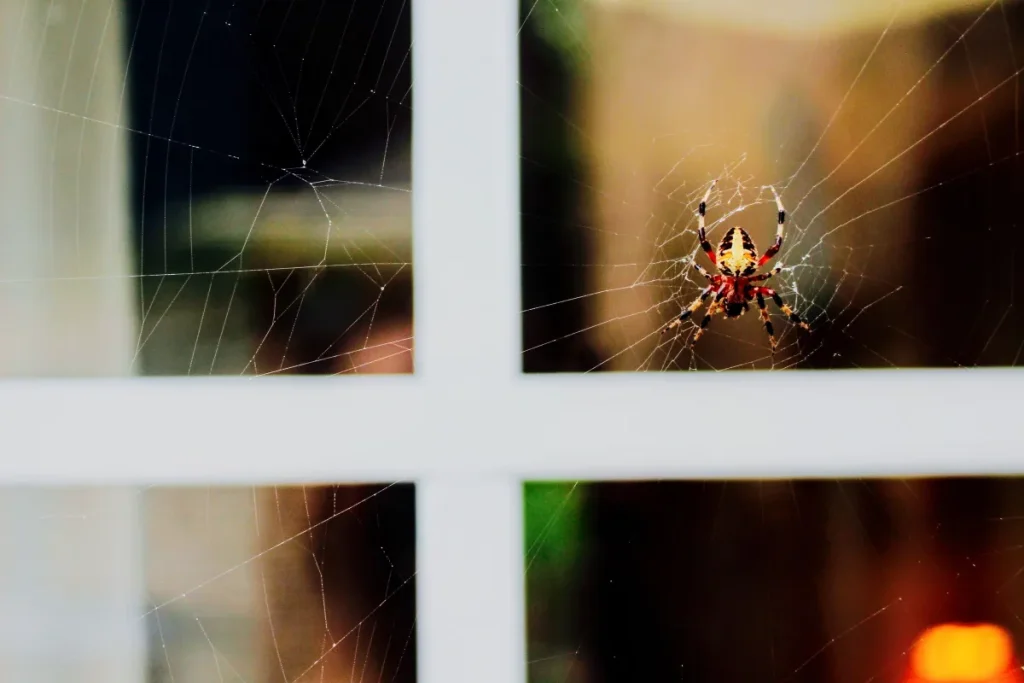
Harbourage
Spider webs show where to focus

Reduce harbourage where practical
Removing unnecessary stored materials, keeping access around external walls and managing vegetation can make some areas less attractive to spiders. These measures should be proportionate and should not involve unsafe work at height. If activity remains high despite reasonable maintenance, professional assessment can determine whether treatment is warranted.
Web locations can reveal patterns
Rather than removing every web immediately, customers can note where webs repeatedly appear. Eaves, outdoor lights, fences, sheds and garden structures may reveal where spiders are finding shelter or prey. Those observations can help the technician distinguish a concentrated outdoor problem from occasional indoor entry.
Treatment planning
Planning a practical spider treatment
Treatment planning
Where pesticides are used, preparation and post-treatment instructions should come from the authorised technician. Queensland Health states that pest-management activities involving pesticides or fumigants require a current licence and relevant authorisation. The provider should explain what areas are being treated and any restrictions that apply.
Keep the management plan practical
Spider control Brisbane should explain treatment, preparation and what the owner can change around the property. Where pesticides are used, Queensland Health's licensing requirements apply.
Over time
Watch the pattern over time
Consider seasonal and property changes
Spider activity can change as insects move, gardens grow and outdoor areas are used differently. A sudden increase does not necessarily mean the property has a new infestation. Note where webs appear and whether insect activity has also increased. A professional can then determine whether treatment or environmental changes are appropriate.
Keep the site easy to review
For recurring spider activity, keep a note of the areas where webs repeatedly appear and whether those areas are near lighting, vegetation or stored materials. This creates a useful baseline for the next visit. If activity is limited to one outdoor structure, tell the provider so the service can be targeted. The aim is to understand the pattern and address the relevant conditions rather than treating every part of the property automatically.
FAQs
Frequently asked questions
Common questions about spiders, webs and treatment for Brisbane homes.
Why are there many spiders around my house?
Outdoor conditions, insect activity, vegetation and sheltered areas can contribute to spider presence.
Can pest control reduce spiders?
Treatment may reduce spider activity, but results depend on species, environment and the availability of insect prey and harbourage.
Should spider webs be removed before treatment?
Follow the provider's preparation advice. Web removal can sometimes be useful for access or monitoring but should not replace professional assessment.
Can spiders enter through windows?
Openings around windows, doors and other building points can provide access. Sealing suitable gaps can form part of prevention.
Are all spiders dangerous?
Many spiders are not considered medically significant, but unfamiliar spiders should not be handled. Seek appropriate identification if concerned.
Can gardens increase spider activity?
Dense vegetation, shelter and insect activity can influence outdoor spider populations.
Can spider control be used around children and pets?
Safety depends on the treatment method. Follow all provider instructions and discuss household circumstances before treatment.
How often should spider treatment be done?
Frequency depends on the property, spider activity and environmental conditions.
What should I do if I find a spider inside?
Avoid handling it. If identification or repeated activity is a concern, contact a suitable pest professional.
Can outdoor pest control help with spiders?
Depending on the service, external treatment and reduction of insect attractants may form part of a spider management plan.
Ready to work out why the spiders keep coming back?
Share the suburb, where webs appear and anything nearby that may attract insects.