
Ant Control Brisbane
Understand ant activity, nests, food sources, entry points and treatment considerations for Brisbane properties.
Request Ant ControlFollow the trail
Ant treatment in Brisbane starts with the trail
Stop 1
Why ants enter buildings
Ants may enter properties in search of food, water or shelter. Kitchens, outdoor entertaining areas, gardens and wall or floor gaps can become activity zones.
Stop 2
Finding the trail
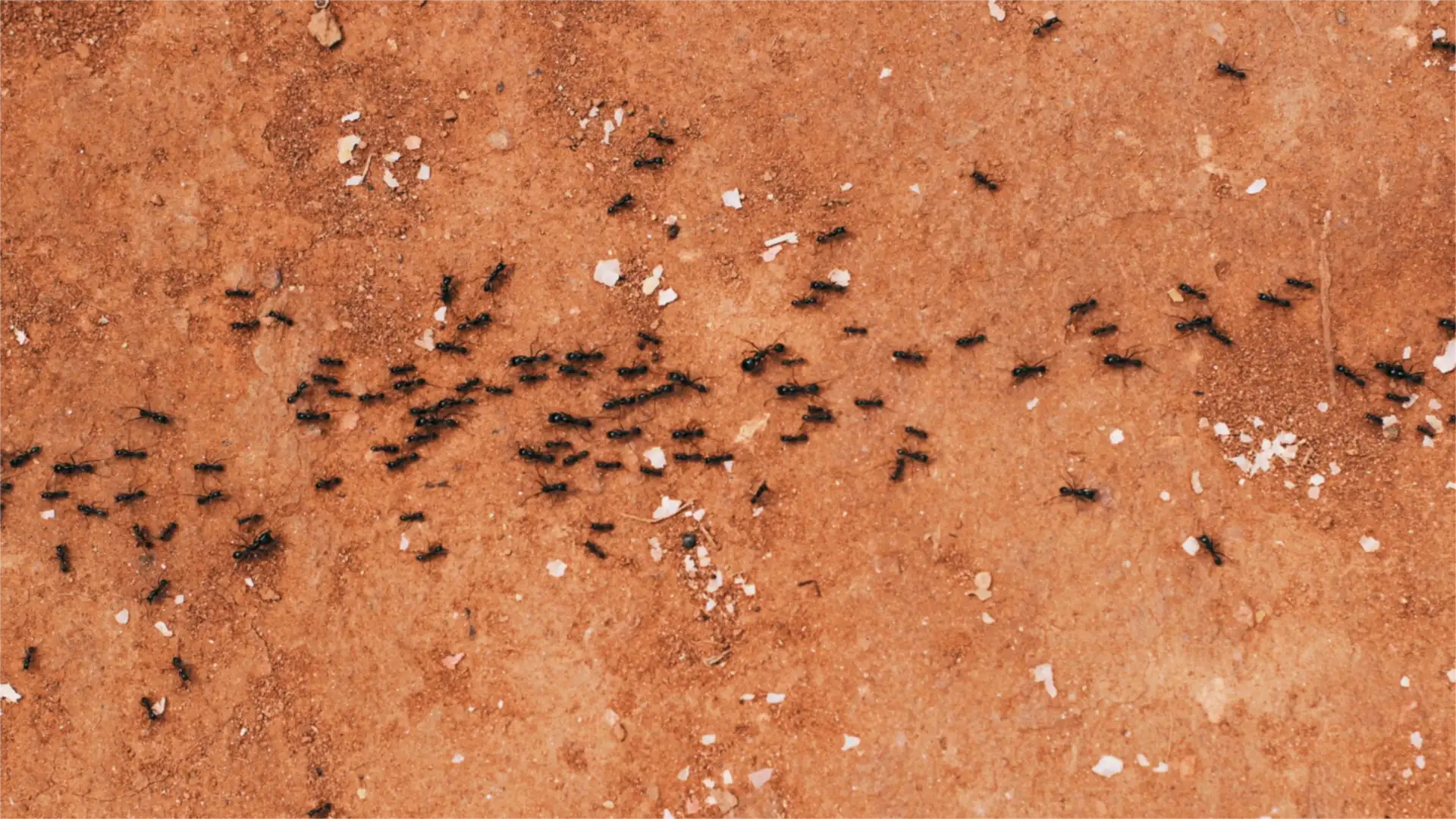
Ant trails can provide useful clues about entry points and feeding areas. Following the trail back to a likely source can help a professional determine where treatment should be focused.
Stop 3
The trail is evidence
Ants are often easiest to understand by observing the route they take. Trails near windows, doors, plumbing penetrations and garden edges can show where workers are entering or leaving. The visible trail may still be some distance from the colony, so simply treating the insects on a bench may not solve the underlying problem. A technician can use the activity pattern, property layout and environmental conditions to determine the appropriate management approach.
Stop 4
The visible trail is only part of the story
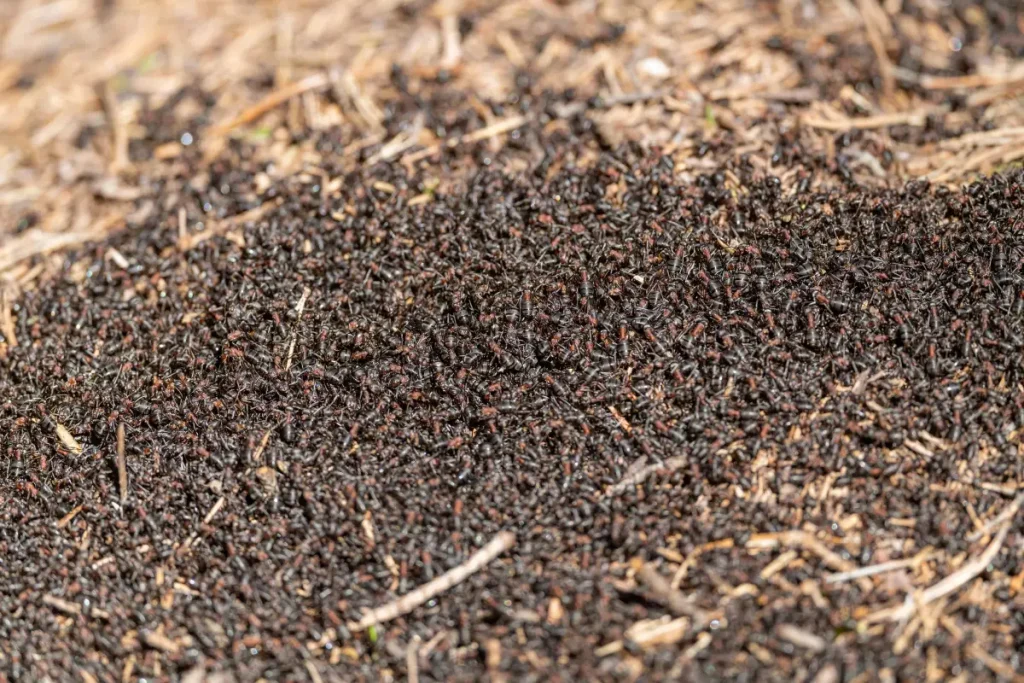
Ants can travel surprising distances between a food source and their colony. The line across a kitchen bench may therefore tell you where workers are going rather than where the colony is located. Note where the trail enters the building and where it disappears. Those observations can help a technician decide whether the focus should be an external nest, an internal harbourage area or both.
Ant treatment Brisbane
Choosing the right ant control service in Brisbane
When comparing ant control Brisbane options, focus on the actual problem, the property conditions and the scope of work rather than a generic promise. Provide the suburb, property type, affected area, visible evidence and any relevant history. A suitable local provider should explain the recommended approach, preparation requirements, safety considerations and whether follow-up is appropriate. Use the information on this page to understand the service and then request an assessment or quote based on the circumstances of your Brisbane property.
Treatment and prevention
Treatment versus prevention
A treatment can address current activity, while prevention focuses on food storage, moisture, entry points and outdoor conditions. Both can be relevant when ants repeatedly return.
Be specific
Make the treatment decision specific
Ant control Brisbane should be based on the species, activity pattern and property conditions. Queensland pesticide-based pest management is regulated, so the technician's current licence and authorisation should be verified before treatment.
Inside and outside
Where indoor ant activity really comes from

Around the building
Indoor and outdoor activity
Outdoor nests, vegetation, paving gaps and garden conditions can influence indoor activity. A property assessment should consider both sides of the building.
Indoor and outdoor sources
Brisbane homes can have ant activity associated with gardens, mulch, paving, retaining structures and building edges. Inside, kitchens and pantries can provide accessible food. Moisture around plumbing or other fixtures may also be relevant. The aim is to understand the connection between the outdoor environment and indoor activity. A treatment plan should be tailored to the species and conditions rather than assuming every ant problem requires the same method.

In the garden
Brisbane gardens can influence indoor activity
Mulch, garden beds, paving, retaining structures and dense vegetation can provide sheltered routes around a building. This does not mean gardens are the cause of every ant problem. It means the relationship between outdoor conditions and indoor activity is worth considering. A technician can identify whether the activity is coming from outside or whether an internal source is more likely.
Ants back again after the last spray?
Tell us where the trail appears and what has already been tried.
Before you spray again
Why DIY spraying can make ants harder to manage
Recurring ants after DIY treatment
Repeatedly spraying visible ants can change their route without addressing the colony. It can also make it harder to observe the original pattern. If activity keeps returning, record where ants are seen and when they appear, then provide that information to a pest professional. Previous products should also be disclosed because they may affect treatment planning.
Repeated spraying can obscure the pattern
Homeowners sometimes spray visible ants as soon as they appear. That may reduce the number seen temporarily, but it can also change the trail before the underlying source is understood. If the problem has been recurring, tell the pest controller which products have already been used and how the activity changed afterwards. Previous treatment history can be useful evidence.
Ant prevention
Ant prevention that supports professional treatment

A practical prevention layer
Keep food sealed, clean spills, manage waste and address practical moisture problems. These steps can reduce attraction but do not guarantee that an established colony will disappear. Where pesticides are used, Queensland Health requires the relevant current pest-management licence and authorisation.
Food management supports professional treatment
Sealed food, clean preparation surfaces and controlled waste can reduce attraction, but they do not necessarily remove an established colony. Prevention should be proportionate to the actual problem. If ants continue despite good housekeeping, professional assessment can determine whether a colony or building pathway needs attention.
Commercial premises
Commercial ant management
Retail, hospitality and food businesses may need ant control that considers stock, food handling, cleaning and customer areas. The service should be tailored to the operating environment.
Keep notes
Notes that make ant control more targeted
Note 1
Record when ant activity peaks
Ant activity can change through the day and with weather. Recording whether the trail appears after rain, during warm periods or around food preparation can provide useful context. It does not identify the colony by itself, but it can help a technician understand the behaviour observed at the property.
Note 2
Do not assume every ant problem is the same
Small indoor ants, larger outdoor ants and ants associated with different nesting environments can behave differently. A treatment that works in one building may not be the appropriate approach elsewhere. Correct identification and an understanding of the colony location can make the management plan more targeted.
Note 3
Property records can help with recurring ants
If ants return every few months, keep a note of where they first appeared and what changed around the property before the activity started. Landscaping, weather, building work and food-storage changes can all be useful context. The record gives the pest professional more than a single snapshot and may help identify a recurring route or environmental condition.
Note 4
Ask what success should look like
Before treatment, ask what the provider expects to change and how quickly the activity should be reviewed. The appropriate expectation depends on the pest, treatment and property. A clear follow-up point helps customers avoid repeatedly applying products when the better response is another professional assessment.
FAQs
Frequently asked questions
Common questions about ant trails, nests and treatment for Brisbane homes and businesses.
Why do ants keep coming back?
Recurring ant activity can be linked to nests, food or moisture sources, entry points or outdoor conditions. A broader assessment may be needed.
Can I treat ants with household products?
Household products may not address the source or species. Follow professional advice when activity is persistent or widespread.
How do I find an ant nest?
Ant trails can indicate where ants are entering or feeding, but the nest may be concealed. A professional can assess likely sources.
Can gardens attract ants?
Garden conditions, vegetation, moisture and food sources can contribute to ant activity around buildings.
Should I clean ant trails?
Cleaning can remove food residues and trail cues, but the underlying source may still need attention.
Can ant control be used around kitchens?
Yes, but treatment must account for food, surfaces and preparation requirements. Follow the provider's instructions.
Are ants a problem in commercial premises?
They can be, particularly where food, waste or moisture is present. Commercial treatment should reflect the site's hygiene and operating requirements.
How long does ant treatment take?
Service time depends on the property, treatment areas and method used.
Will ant treatment affect pets?
Safety depends on the treatment method. Tell the provider about pets and follow all preparation and re-entry instructions.
How can I prevent ants entering my home?
Reduce food and moisture sources, maintain suitable sealing and address outdoor conditions that encourage activity.
Ready to find where the ants are coming from?
Share the suburb, where the trail appears and any products already used.