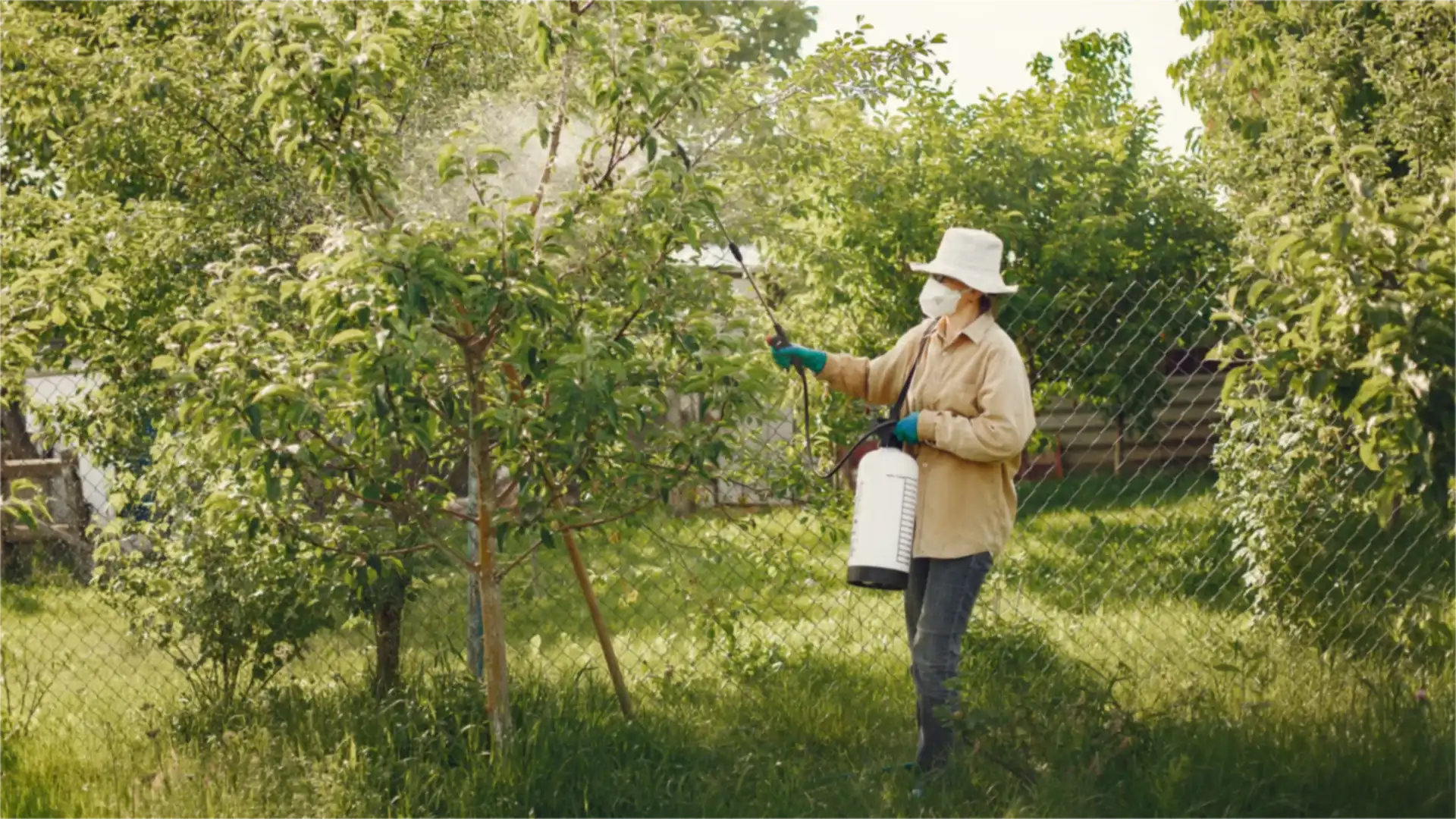
Understand the pest, assess the property and choose a treatment approach suited to the type of activity and building.
Request Pest Control ServicesServices overview
Pest control services can range from targeted treatment for a known infestation to broader inspection and management programs. The appropriate service depends on the pest, property, activity level and access. A provider may assess entry points, harbourage, moisture, food sources and areas where activity has been observed before recommending treatment.

Pest inspection
Inspection is particularly useful when the pest has not been confidently identified. Evidence can include live insects, droppings, nests, damage, tracks or repeated activity. Identification helps avoid selecting a treatment simply because it is commonly used for a different pest. The provider should explain what can be established from accessible areas and what limitations apply.
Homes and businesses

Residential pest management can address indoor and outdoor areas around houses, apartments and other dwellings. Kitchens, bathrooms, roof spaces, garages, gardens and storage areas may present different conditions. Preparation instructions should be clear and should account for children, pets and sensitive household items.
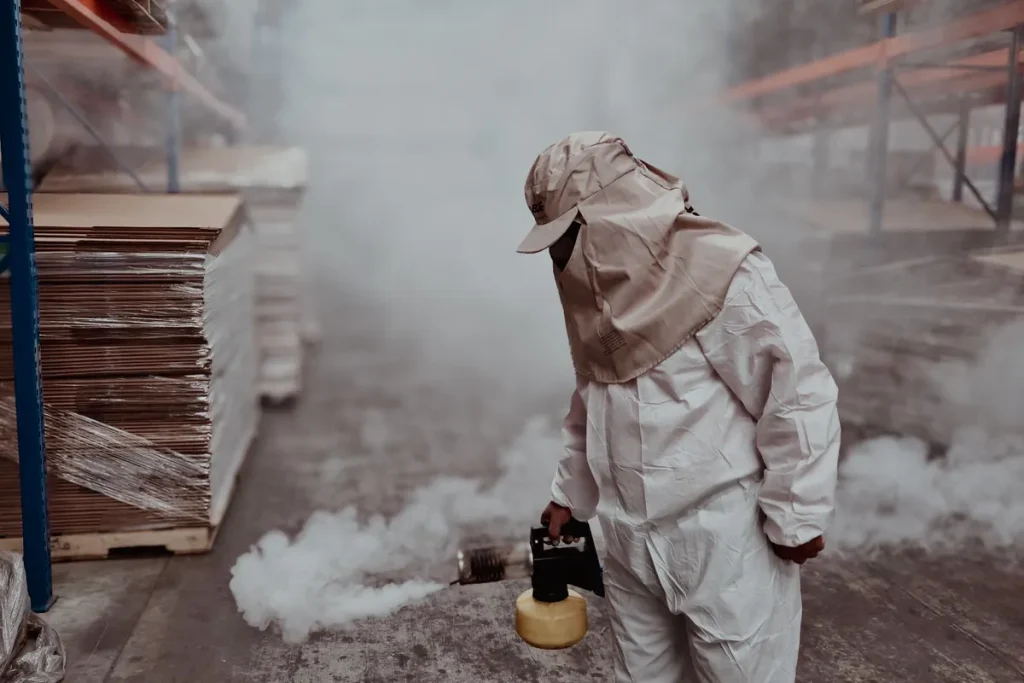
Commercial premises may need scheduled inspections, targeted treatments or ongoing management depending on the business and pest risk. Food premises, warehouses, offices, retail properties and strata buildings have different operational considerations. The service scope should identify treatment areas, access requirements and any monitoring or reporting arrangements.
Treatment and prevention
Treatment deals with current pest activity, while prevention aims to reduce the conditions that allow activity to recur. Depending on the pest, prevention may involve sealing gaps, improving waste handling, reducing moisture, managing vegetation or changing storage practices. A good service explains both the immediate response and relevant preventative steps.
01
Look at the areas where activity has been seen and the conditions around them.
02
Confirm the pest and its likely source before a treatment is chosen.
03
Apply a method suited to the pest, the property and the people in it.
04
Check the result and adjust prevention or follow-up where needed.
Comparing services
When comparing pest control services Brisbane customers should ask what pest is being targeted, which areas are included, how the treatment is selected, what preparation is required and whether follow-up is included. This creates a clearer comparison than looking at a headline price alone.
When comparing pest control services Brisbane options, focus on the actual problem, the property conditions and the scope of work rather than a generic promise. Provide the suburb, property type, affected area, visible evidence and any relevant history. A suitable local provider should explain the recommended approach, preparation requirements, safety considerations and whether follow-up is appropriate. Use the information on this page to understand the service and then request an assessment or quote based on the circumstances of your Brisbane property.
Treatment or inspection?
A customer does not always need to know the technical name of a pest-control service before making an enquiry. If the pest is obvious and confined to a known area, a defined treatment may be appropriate. If the species is uncertain, the activity keeps returning, or evidence is appearing in several areas, an inspection can provide better information before treatment is selected. Termite concerns are a good example because visible evidence may not reveal the extent of activity. The same principle can apply to rodents and cockroaches when the source is concealed. The purpose of an assessment is not to add unnecessary steps; it is to avoid applying a solution without understanding what is actually happening.
Not sure whether you need a treatment or an inspection?
Describe what you're seeing and talk through the options.
Preparation
Preparation should be based on the actual treatment method rather than a generic checklist copied from another property. A household may need to secure food, make cupboards accessible, manage pets or clear areas where treatment is proposed. A commercial kitchen can require coordination with food-handling procedures, while an office may need treatment scheduled outside normal occupancy. Customers should ask for the provider's specific preparation and re-entry instructions. If the property contains children, pets, sensitive occupants or areas with food production, disclose that before the service is planned. The technician can then determine what controls or authorisations apply to the proposed activity.

After you book
After a pest treatment, the useful question is not simply whether insects are visible immediately afterwards. Depending on the pest and method, activity may take time to change, and some infestations can require monitoring or follow-up. Ask what signs should be watched, when the provider recommends reassessment and which property conditions should be corrected. Keep treatment records so a future technician can understand what was previously used. This is especially helpful for rental properties, commercial sites and recurring pest problems. Queensland Health requires relevant pest management technicians to hold current licences and authorisations for regulated pesticide and fumigant activity, and additional requirements can apply to sensitive or high-risk places.
Two pest-control quotes can look similar while covering different work. One may include inspection and treatment, while another may be limited to a defined treatment area. Ask which pest is included, which rooms or external areas are covered, what preparation is required, whether follow-up is included and what circumstances could change the scope. For termite or recurring infestations, ask what evidence supports the proposed treatment. A clear scope makes it easier to compare providers and avoids selecting a service that appears cheaper only because it does less. The final decision should consider the property, the pest, licensing and the clarity of the proposed management process.
A broad pest-control service page should not encourage customers to select a treatment simply because it sounds comprehensive. The useful distinction is between known activity and an uncertain problem. If cockroaches are repeatedly appearing around a kitchen, the inspection can focus on harbourage and food or moisture conditions. If a customer hears movement in the roof, the first task may be identifying the animal. If timber damage is suspected, a timber-pest assessment is more appropriate. Service selection becomes easier when the customer describes symptoms first and the technician determines which pathway fits.
Homes and businesses
Homes are occupied spaces, so preparation needs to be explained clearly. Depending on the pest and method, the technician may need access behind appliances, inside cupboards, around building edges or in roof and subfloor areas. Pets may need to be managed and food may need to be protected. The exact requirements should come from the provider for the proposed treatment. Customers should not assume that a preparation list from another service is suitable. Clear instructions before attendance can reduce delays and help the treatment be carried out safely.
A business cannot always treat pest control as an isolated household visit. Restaurants, cafes and food-related sites have food-handling requirements, while offices and retail stores may need work scheduled around staff and customers. Warehouses can have loading areas, storage zones and roof spaces that are not occupied continuously. A commercial service should therefore record the operational context and identify sensitive areas before treatment. If pest activity is recurring, scheduled inspection and reporting may be more useful than waiting for the next visible infestation.
Aftercare
The end of the treatment visit should not be the end of the conversation. Customers need to know what changes to expect, what signs should be monitored and whether follow-up is recommended. Some pests can require additional attention because their life cycle, harbourage or property conditions make a single intervention insufficient. Treatment records are useful when activity returns because they show what was previously attempted. This is particularly important in rentals and commercial buildings where several people may be involved in arranging future work.
Licensing
Queensland Health regulates pest management activity involving pesticides and fumigants. The technician needs a current pest management licence with the relevant authorisation for the activity. High-risk and sensitive locations can have additional requirements. A customer comparing pest control services Brisbane providers should therefore verify the actual scope of the person carrying out the work rather than relying on a generic statement that the business is licensed.
FAQs
Common questions about pest control services for Brisbane homes and businesses.
The scope varies, but it may include inspection, pest identification, treatment of specified areas and advice about prevention or follow-up.
Some services include an inspection while others are based on a known pest and defined treatment area. Confirm the scope before booking.
Yes. Treatment can be tailored to the pest, property type, affected areas, access and conditions supporting activity.
Duration depends on the property, treatment method, affected areas and level of activity. The provider should explain the expected service duration.
Preparation varies by method and may involve food, surfaces, pets, children, access and storage. Follow the provider's written instructions.
No. Some issues may require one treatment while recurring or more complex problems may require monitoring or additional visits.
Depending on the pest and treatment method, exterior areas such as gardens, entry points or building perimeters may form part of the service.
Ask what pest is covered, which areas are included, preparation requirements, treatment method, follow-up arrangements and exclusions.
Commercial premises often have different operational and hygiene considerations, so the service should be designed around the business environment.
Review frequency depends on pest risk, property conditions and whether the service is corrective, preventative or part of an ongoing management program.
Ready to choose the right service?
Share the pest, the property and what you've noticed so far.
