
Bird Control Brisbane
Explore bird management options for Brisbane buildings, including nesting, droppings, access points and deterrent considerations.
Request Bird ControlBirds around buildings
Bird activity around buildings
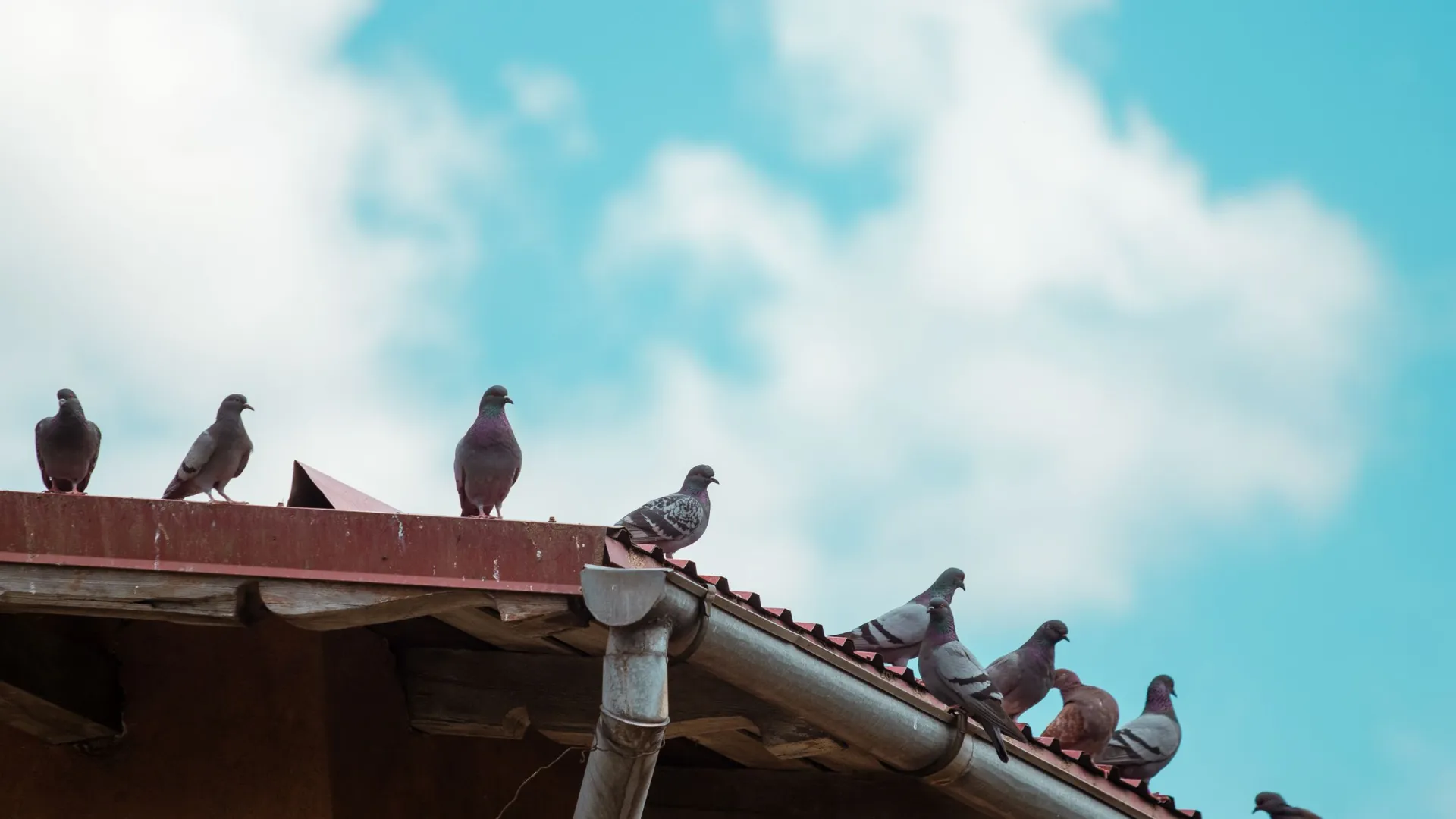
Birds can roost or nest around roofs, ledges, awnings, warehouses and commercial structures. Droppings, nesting material and noise can create cleaning and maintenance concerns.
Deterrents and exclusion
Depending on the property, management can include exclusion, physical deterrents or changes to access points. The appropriate solution depends on the building and bird behaviour.
Pigeon control
Identify what the birds are doing
Nesting
Roosting
Feeding
Passing through
Identify the species and issue
Bird management should begin with identifying the bird and understanding the activity. Wildlife protections can apply to some species and situations, so management should be lawful and appropriate.
Start with the behaviour creating the problem
Bird control is easier to plan when the property owner can describe whether birds are nesting, roosting, feeding or simply passing through. Pigeons around ledges can require a different response from birds entering a roof cavity. The building's shape, access points and food sources can all influence the problem. A site assessment can identify where birds are gaining a reliable foothold and which management options are practical.
Identify whether birds are nesting or roosting
Bird problems can look similar while requiring different responses. Birds repeatedly sitting on a ledge may need a deterrent or exclusion measure, while birds entering a roof cavity may require access-point management. Nesting behaviour adds another consideration. A site assessment should establish what the birds are doing and where they are using the building before a control method is selected.
Bird deterrents Brisbane
Choosing the right bird control service in Brisbane
When comparing bird control Brisbane options, focus on the actual problem, the property conditions and the scope of work rather than a generic promise. Provide the suburb, property type, affected area, visible evidence and any relevant history. A suitable local provider should explain the recommended approach, preparation requirements, safety considerations and whether follow-up is appropriate. Use the information on this page to understand the service and then request an assessment or quote based on the circumstances of your Brisbane property.
Wildlife rules may apply
Queensland compliance
Lawful bird management comes first
Wildlife and Queensland compliance
Bird work can involve wildlife considerations that vary by species and circumstance. If pesticide-based pest management is proposed, the technician must hold the relevant current pest management licence and authorisation under Queensland's regulatory framework. Other wildlife requirements may also apply, so the provider's authority should be verified before engagement.
Confirm the legal scope
Bird control Brisbane work can involve wildlife considerations beyond ordinary pesticide-based pest management. Where pesticides are proposed, Queensland Health licensing requirements apply. Confirm the provider's actual authority for the species and work before proceeding.
Birds nesting or roosting on your building?
Describe where they settle and what they are doing before anything is removed.
Commercial sites
Bird management for warehouses and food premises
Commercial bird management
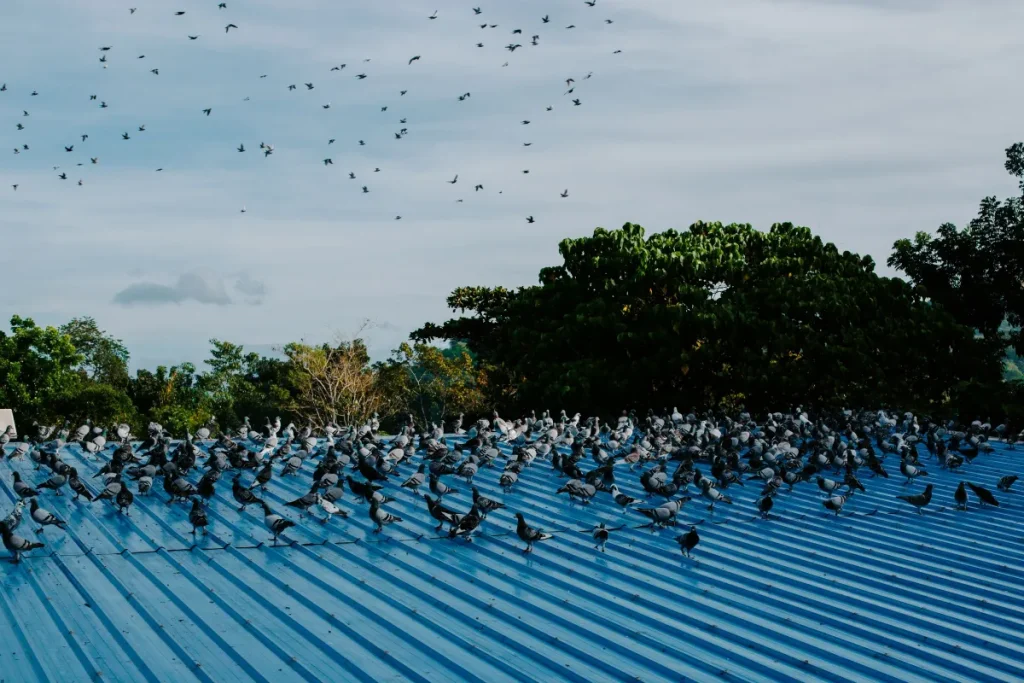
Warehouses, retail sites, food premises and large commercial buildings may need ongoing bird management. The plan should consider cleaning, access, customers, staff and maintenance.
Commercial hygiene considerations
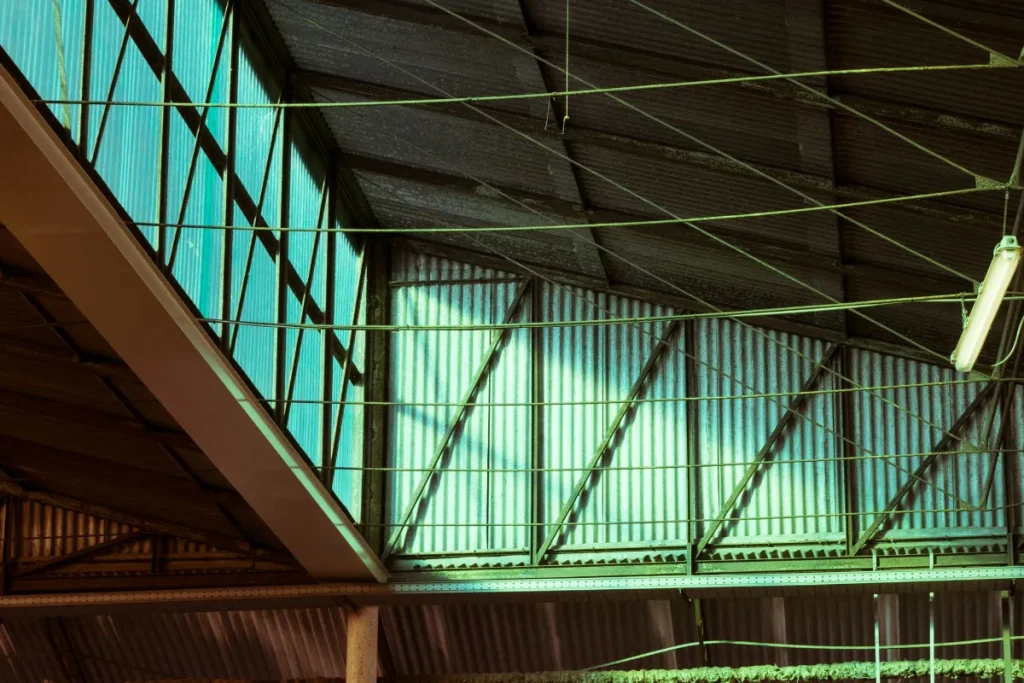
Bird fouling can be particularly difficult around food premises, loading areas, customer entrances and equipment. Cleaning should be handled with appropriate precautions, while the source of recurring fouling is addressed. Commercial sites should consider access, roof safety and operating hours before work is scheduled. The pest-management plan should also distinguish bird-control work from any separate cleaning or building-repair scope.
Fouling
Cleaning is part of the picture, not the whole answer
Clean-up considerations
Bird droppings can require careful cleaning, particularly where contamination or slip risks are present. Use appropriate safety procedures and professional advice where significant accumulation exists.
Cleaning should not be the only response
Bird fouling can require cleaning, but the underlying roosting or nesting behaviour still needs consideration. Commercial premises should coordinate cleaning with building access and worker safety. Food-related businesses may have additional hygiene procedures. Pest management and cleaning should be treated as connected but separate scopes unless the provider specifically offers both.
Bird exclusion
Exclusion and deterrents that suit the site
Exclusion and deterrence
Physical exclusion can be useful where birds repeatedly enter a building or occupy a particular structure. Deterrents may also be considered, but their usefulness depends on species and installation. A product placed without addressing the reason birds are using the site may have limited value. The provider should explain how the proposed measure changes access or behaviour and what maintenance it will require.
Consider where birds can safely be excluded
Exclusion devices should not create a new hazard for the building or wildlife. Roof edges, signs, vents and other structures need to be assessed before installation. The provider should explain how the proposed measure works and what happens if birds are already nesting or roosting in the area.

Building design
Building design can create repeat problems
Wide ledges, roof voids, signs, beams and sheltered plant areas can provide predictable places for birds to settle. Food waste can also encourage repeat visits. Removing one nest without changing the access or attraction may only produce a short interruption. The useful objective is to identify why the site is attractive and change the relevant condition.
Access and permission
Consider the building owner and access arrangements
Commercial roofs, apartment facades and shared structures may require permission before deterrents or exclusion devices are installed. Customers should establish who controls the affected area and whether roof access is available. This can prevent a pest provider from arriving at a site where the relevant structure cannot legally or safely be accessed.

After installation
Keep the bird control system working
01
Exclusion needs maintenance
Physical barriers and deterrents can work well when they are correctly designed and maintained. A damaged mesh, loose exclusion point or ineffective deterrent can allow birds to return. Ask what maintenance is expected and how the system will be checked after installation.
02
Plan maintenance with the control system
Bird deterrents can lose effectiveness when damaged or poorly maintained. After installation, the owner should know which components need checking and who is responsible for maintenance. A control system should be treated as part of property upkeep rather than a one-time object that can be forgotten.
03
Monitor the site after changes
Bird behaviour can shift when one access point is blocked. A follow-up check can show whether birds have moved to another part of the building. Businesses should record new fouling or nesting locations rather than assuming the first installation has solved every part of the problem.
04
Review bird activity after installation
Once an exclusion or deterrent system is in place, monitor where birds settle next. New activity can show that another access point or attractant remains. Record the location and timing and provide that information to the provider rather than adding unplanned devices. A site-specific follow-up can then refine the management approach without unnecessarily changing areas that are already working.
Maintain & monitor
FAQs
Frequently asked questions
Common questions about birds, deterrents and wildlife rules for Brisbane buildings.
Why do birds keep returning to my roof?
Roofs and ledges can provide shelter, nesting opportunities and convenient access. Removing the attractant or installing suitable deterrents may help.
Can bird control remove nests?
Nest removal can be subject to wildlife rules and species-specific restrictions. Use an appropriately authorised professional.
Are bird deterrents permanent?
Effectiveness depends on bird species, building design and the deterrent selected. No single system is suitable for every property.
Can birds damage roofs?
Bird activity and nesting material can contribute to maintenance concerns. A building assessment can identify relevant issues.
Is bird control suitable for warehouses?
Yes. Commercial bird management can be designed around building access, stock, hygiene and operational requirements.
Can bird droppings be cleaned safely?
Large accumulations may require professional cleaning and suitable protective measures. Avoid unsafe handling of contaminated material.
Do solar panels attract birds?
Birds may use sheltered spaces around some solar installations. Management should consider the specific building and installation.
Can bird control be used around food businesses?
Yes, but food hygiene, access and operational controls need to be considered carefully.
How can I prevent birds nesting under eaves?
Suitable exclusion or deterrent measures can reduce access, but species and building conditions should be assessed first.
Do I need permission to remove birds or nests?
Native birds, their eggs and nests are protected in Queensland under the Nature Conservation Act 1992, and permits can be required. Some introduced species, such as feral pigeons, are not protected. Confirm current Queensland requirements before removing birds, eggs or nests.
Ready to plan lawful bird management?
Share the property type, where birds settle and whether nests are present.