

Flea Control Brisbane
Understand flea activity, pet and property factors, treatment preparation and prevention for Brisbane homes.
Request Flea ControlThe life cycle
The flea life cycle and why a flea infestation returns
Eggs
→
Developing stages
→
Adult fleas
The cycle continues
Where flea problems begin
Flea infestations can involve pets, carpets, bedding, outdoor areas and other environments where flea stages can develop. Treating only visible adult fleas may not address the full life cycle.
Treat the environment as well as visible fleas
Adult fleas are only one stage of the life cycle. Eggs and developing stages can remain in carpets, soft furnishings and other protected areas, which is why activity can appear to return after visible insects have been removed. A professional treatment plan should consider where pets rest, which rooms are used most and whether outdoor areas may also be relevant. The aim is to address the environment supporting the infestation, not just the insects noticed on the day.
The adult flea is not the whole infestation
Fleas have several stages in their life cycle, so seeing fewer adult fleas immediately after treatment does not necessarily mean all activity has disappeared. Carpets, bedding, upholstery and areas where pets rest can retain developing stages. The treatment plan should therefore consider the property as an environment rather than focusing only on the insects that are easiest to see.
Flea treatment Brisbane
Choosing the right flea control service in Brisbane
When comparing flea control Brisbane options, focus on the actual problem, the property conditions and the scope of work rather than a generic promise. Provide the suburb, property type, affected area, visible evidence and any relevant history. A suitable local provider should explain the recommended approach, preparation requirements, safety considerations and whether follow-up is appropriate. Use the information on this page to understand the service and then request an assessment or quote based on the circumstances of your Brisbane property.
Pets and the property
Coordinate pet care and household treatment
Pet treatment
Separate services
Household treatment
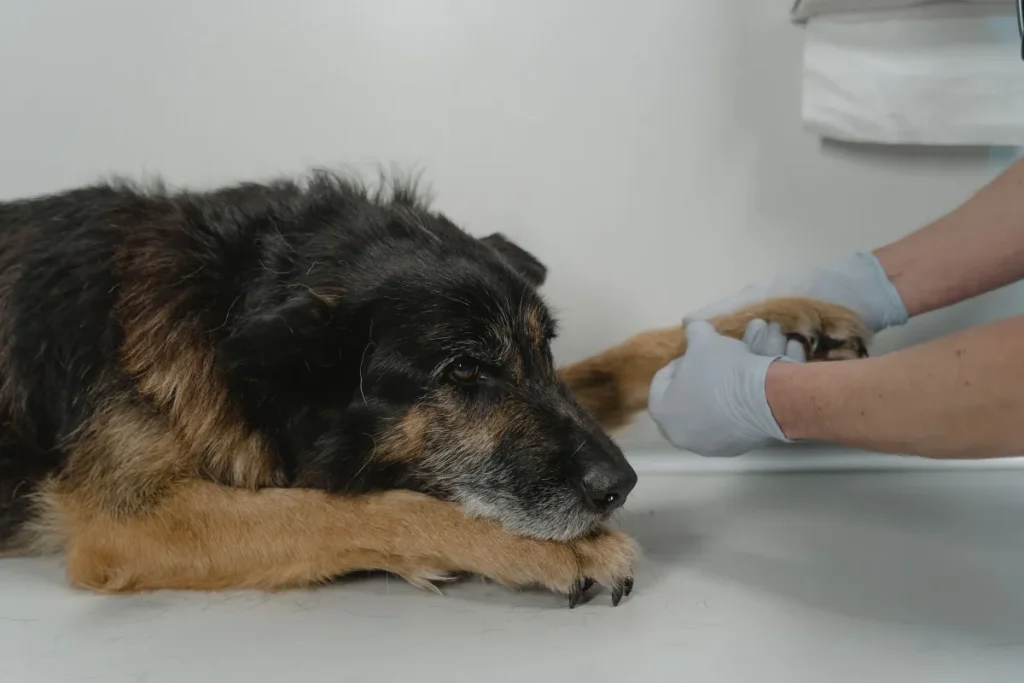
Pets and the property
Where pets are present, coordinate pest management with veterinary advice. Household treatment and pet treatment are different activities and should be handled by the appropriate professional.
Coordinate pet and household management
If dogs or cats live at the property, tell the pest professional. Pet-specific flea control should be discussed with a veterinarian or suitable animal-health professional, while household treatment is a separate service. Coordinating the two can reduce the chance of continued flea activity. Do not apply a household pesticide to an animal unless the product is specifically authorised for that purpose and appropriate advice has been obtained.
Pets need separate professional advice
When pets are present, tell both the pest professional and the animal-health provider about the flea problem. Household pesticide treatment and veterinary flea control are separate services, and products designed for one purpose should not automatically be used for another. Coordinating the two approaches can help address the infestation more completely.
Preparation
Preparing for flea treatment
1
Preparation before treatment
Preparation may involve laundering bedding, vacuuming, clearing floors and following specific instructions from the pest professional. Do not use additional chemicals without checking compatibility.
2
Preparation should be specific
Vacuuming, laundering and making affected areas accessible can form part of flea-treatment preparation, but the exact instructions depend on the method. Ask what needs to be completed before the technician arrives and what should happen after treatment. This avoids applying a generic checklist that may not suit the service.
3
Preparation and follow-up
The provider may recommend vacuuming, laundering bedding, moving items or making floor areas accessible before treatment. Follow the actual instructions supplied. Because flea development can continue after the initial service, monitoring may be recommended. Ask what signs should prompt a return visit and what practical changes can reduce reinfestation risk.
Fleas back after the pets were treated?
Describe where pets rest and where bites or fleas are noticed.
Hotspots
Focus on where pets and people spend time

Where pets sleep
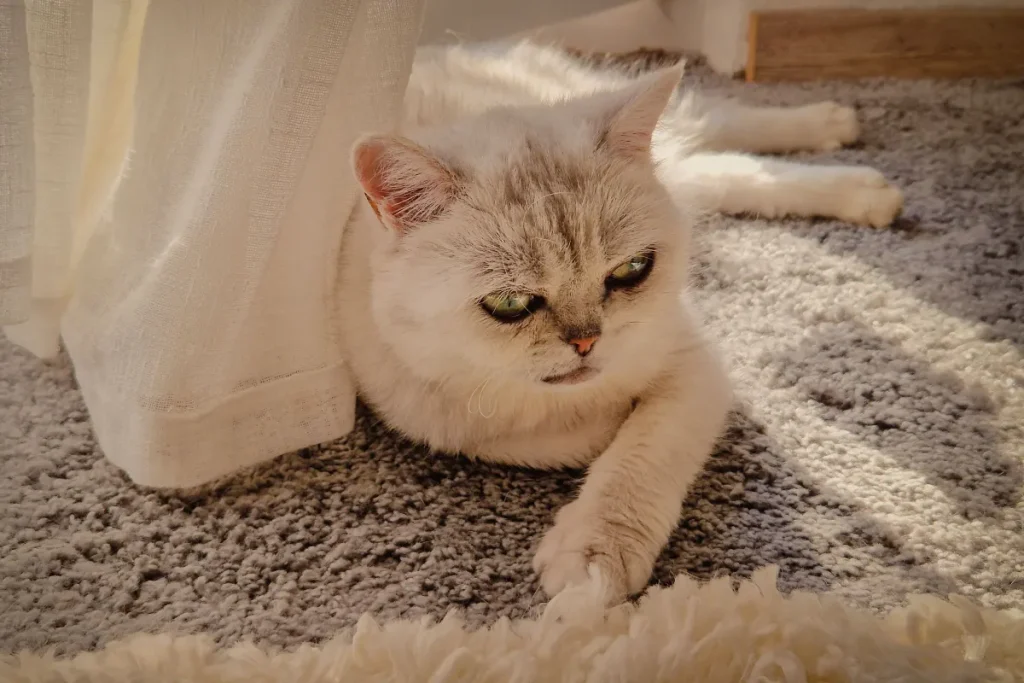
Carpeted rooms
Focus on practical hotspots
Pet bedding, carpeted rooms, soft furniture and shaded resting areas can be relevant, but not every property needs treatment everywhere. The technician can use the activity pattern to determine which areas deserve attention. This keeps the service focused and makes preparation more manageable for the household.
Track where people and pets spend time
If flea activity is recurring, note which rooms pets use most, where animals sleep and whether anyone is experiencing bites in particular areas. This can help identify likely environmental hotspots. A technician can then consider whether carpets, upholstery, bedding or outdoor areas need attention based on the evidence.
Indoor and outdoor considerations
Flea activity can occur in shaded outdoor areas, pet resting locations and indoor soft furnishings. The relevant treatment areas depend on where activity is identified.
Outdoors
Outdoor areas can matter
Fleas may persist in shaded places where animals rest. If a dog or cat regularly moves between the house and garden, the outdoor environment can be relevant to recurring activity. A technician can advise which areas are worth considering based on the property and evidence rather than assuming every garden requires treatment.

Targeted treatment
Avoid treating every surface unnecessarily
Flea treatment should be targeted to relevant areas rather than applying products indiscriminately. The provider can explain which parts of the property need preparation or treatment. If activity continues, report the pattern rather than simply increasing chemical use. Follow-up should be based on the actual treatment method and flea life cycle.
Follow-up
Monitoring after flea treatment
Ongoing
Follow-up and prevention
Flea management may require monitoring or follow-up because different life stages can persist. Continued cleaning and appropriate pet management can support longer-term control.
After the service
Monitor the result
Flea control Brisbane should include clear expectations about follow-up. Ask which signs should trigger another assessment and how pet management should be coordinated. Queensland Health requires relevant pesticide-based pest management activity to be carried out under the appropriate current licence and authorisation.
Later sightings
Review the home after treatment
Once the initial flea service is complete, continue normal cleaning and follow the provider's monitoring instructions. Note where any later activity is seen rather than treating isolated sightings as proof that the entire service failed. Flea activity can reflect the life cycle of the infestation, pet exposure or an environmental source. Sharing those observations with the technician allows follow-up to be based on evidence.
Records and requirements
Licensing and treatment history
Queensland requirements
Where pesticides are used, pest management activity is regulated. Queensland Health states that the relevant current pest management licence and authorisation are required. Customers should verify the provider's current scope and follow all treatment safety instructions for people and pets.
Keep the treatment history
If a flea problem has been treated before, record when it happened, which areas were treated and whether pets were present. This helps the next provider understand whether the current problem is a continuation or a new introduction. It also avoids repeating a generic response without considering what has already been tried.
FAQs
Frequently asked questions
Common questions about fleas, pets and treatment for Brisbane homes.
Can fleas live in carpets?
Yes, carpets and other soft furnishings can provide environments for flea development. Treatment should consider the property and flea life cycle.
Do I need to treat my pets too?
Pet treatment should be discussed with a veterinarian or appropriate animal-health professional. Household pest treatment does not replace veterinary advice.
Why do fleas keep coming back?
Flea life stages can persist in the environment, and pets or outdoor areas can reintroduce activity.
Should I vacuum before flea treatment?
Follow the pest professional's preparation instructions. Vacuuming may form part of preparation and ongoing management.
Can fleas live outside?
Fleas can be associated with outdoor areas where animals rest. The relevant outdoor locations depend on the property.
How long does flea treatment take?
Service duration depends on the property, affected areas and treatment method.
Can flea treatment be used in homes with pets?
Yes, but the provider needs to know about pets and provide specific preparation and re-entry instructions.
Do fleas only come from dogs and cats?
Pets are common hosts, but flea problems can involve wildlife and environmental sources as well.
Can flea treatment require follow-up?
It can, depending on infestation level, life stages present and treatment method.
How can I prevent future flea problems?
Maintain appropriate pet care, clean resting areas and address environmental conditions that support flea activity.
Ready to break the flea cycle?
Share the suburb, which rooms pets use and any previous flea treatments.