
Identify signs of termite activity, understand inspection scope and assess accessible areas before choosing a termite management approach.
Request Termite InspectionInspection essentials
The basics of a termite inspection, from the areas examined to the signs of termites that prompt one.
01
Termite activity can occur in concealed parts of a property, so visible evidence is not always present. An inspection can help identify accessible evidence, assess relevant termite management systems and highlight conditions that may warrant further investigation.
02
Depending on the property and access, an inspection may consider subfloor areas, roof spaces, external perimeter conditions, gardens, moisture sources, timber elements and visible termite management systems. Access limitations should be documented rather than assumed away.
03
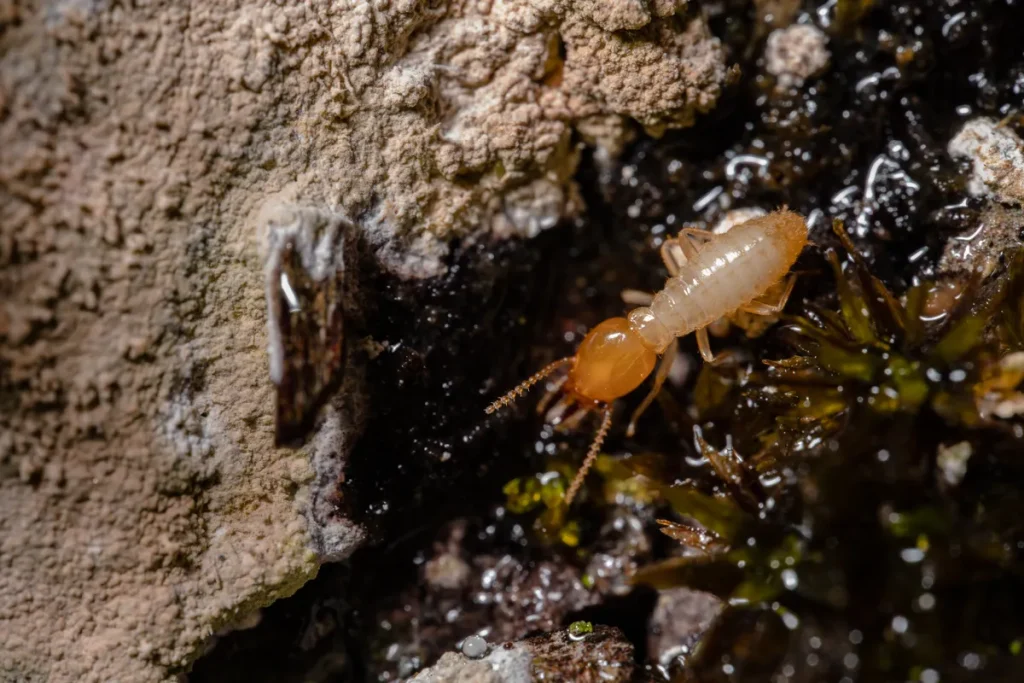
Homeowners may seek an assessment after finding mud-like workings, damaged timber, discarded wings, live termites or unexplained changes in timber. However, not every sign confirms an active termite infestation, which is why identification matters.
04
Properties may have physical or chemical termite management measures installed at construction or later. These systems can require inspection and maintenance. The provider should explain what was accessible and any limitations on the inspection.
05
If evidence is found, the next step may involve further investigation, treatment, monitoring or repairs depending on the findings. If no evidence is found, the provider may still identify conditions that could increase future risk.
Comparing providers
When comparing termite inspection Brisbane options, focus on the actual problem, the property conditions and the scope of work rather than a generic promise. Provide the suburb, property type, affected area, visible evidence and any relevant history. A suitable local provider should explain the recommended approach, preparation requirements, safety considerations and whether follow-up is appropriate. Use the information on this page to understand the service and then request an assessment or quote based on the circumstances of your Brisbane property.

Purpose of the inspection
A termite inspection should answer practical questions about evidence and risk. Is there current evidence of termite activity? Are there signs of previous activity? Which areas were accessible? Are there conditions that make inspection difficult or create potential risk? The answers depend on the building. A raised timber home may offer different inspection access from a slab-on-ground property, while an apartment can have shared structures and service penetrations. The inspection should therefore explain its limitations. A statement that a property is simply 'clear' without describing what was accessible gives a buyer or owner less useful information than a report that separates observations from assumptions.
Brisbane properties
Brisbane properties can include older timber houses, renovated character homes, modern slab buildings, townhouses and apartments. Alterations can create concealed areas or change the relationship between landscaping and the building. Decks, retaining walls, paving, garden beds and stored timber can all affect visibility around the perimeter. Moisture from plumbing or drainage can also be relevant to property condition. None of these factors proves termite activity, but they can influence where a professional focuses attention. Providing information about renovations, landscaping changes and previous termite treatments can make the inspection more informative.

Inspection reports
For a property owner or buyer, the value of a termite inspection is the information it provides after the technician has assessed accessible areas. A useful report should identify findings, relevant limitations and recommended next steps in understandable language. If damage is suspected, ask what evidence supports that conclusion and whether another specialist assessment is appropriate. If treatment is recommended, ask whether active termites were identified or whether the recommendation relates to future risk. Keeping the report with property records also creates a reference point for future inspections. It can be especially valuable where a building changes hands or undergoes renovation.
Booking
Provide the property address or suburb, building type, reason for concern, previous termite work and any visible signs. If you are buying, tell the provider that the inspection relates to a purchase so the appropriate service can be discussed. Make relevant areas accessible and disclose known moisture issues or recent building work. Queensland pest management activity is regulated, and technicians undertaking pesticide or fumigant work must hold the relevant current licence and authorisation. An inspection itself should also be described accurately, with no unsupported guarantee that every concealed area or future risk can be detected.
Seen signs of termites or planning a purchase?
Describe what you've noticed and the property type to discuss the right inspection.
Evidence and risk
A termite inspection is most useful when its findings distinguish between what is visible, what is suspected and what could not be inspected. A report that says a property has 'no issues' without describing access limitations may give a false sense of certainty. Conversely, identifying every moisture patch as a termite risk is equally unhelpful. The inspection should connect observations to the building. If timber is damaged, the report should explain what was observed and whether further investigation is warranted. If an area was inaccessible, that limitation should remain visible in the final assessment.
A Brisbane timber home on stumps, a slab-on-ground dwelling and an apartment can present very different inspection conditions. Subfloors may be accessible in one property and sealed in another. Landscaping can conceal parts of a perimeter, while extensions can introduce new junctions or building materials. Previous renovations may also change how a technician interprets an area. Customers should provide information about extensions, decks, retaining structures, plumbing leaks and previous termite management because these details can help the inspector understand the property's history.

Pre-purchase termite inspection
A purchaser is often trying to understand whether there is evidence that should influence a much larger property decision. The inspection should therefore be read as a point-in-time assessment, not a guarantee about the future. Ask what was inspected, whether any areas were inaccessible and whether recommendations are based on current activity or potential risk. If treatment is suggested, understand whether active termites were found. A buyer can then decide whether further investigation or specialist advice is warranted instead of treating every recommendation as an automatic reason to proceed with expensive work.
Before the visit
01
Properties can have old chemical barriers, baiting systems, physical barriers or records from previous inspections. Those details can affect the way a current inspection is interpreted. If documentation is available, give it to the inspector before the visit. If no records exist, say so. The absence of paperwork should not be treated as evidence that no previous work occurred. Good property records can make future inspections more useful because changes can be compared with a known history.
02
When arranging a termite inspection Brisbane customers should state whether the purpose is routine maintenance, suspected activity, pre-purchase assessment or follow-up after treatment. Give the property type and any known access limitations. If you have seen mud-like structures, discarded wings, damaged timber or unexplained changes, describe where they were found. The inspector can then consider those observations when planning the assessment. The final report should help the customer decide what to do next without overstating what an inspection can prove.
FAQs
Common questions about termite inspections for Brisbane homes and buyers.
Frequency depends on the property, termite risk, existing management systems and professional advice. Regular inspections can be appropriate for properties where termite risk is a concern.
An inspection looks for accessible evidence of termite activity, conditions that may support activity and the condition of relevant termite management systems.
No inspection can guarantee that every concealed area is free from termite activity. Access limitations and concealed construction should be explained in the inspection scope.
A pre-purchase inspection may be useful where termite risk is a concern. Ask what areas are inspected and whether the service is suitable for the intended property transaction.
Possible signs include damaged timber, shelter tubes or mud workings, discarded wings and live insects. Signs should be assessed by an appropriately qualified professional.
Yes. Termite activity can occur in concealed areas, which is one reason professional inspection can be useful when there are risk indicators.
Accessible termite management systems may be considered as part of an inspection. The provider should identify what was accessible and any limitations.
The next step depends on the species, location, extent and property conditions. Treatment or further investigation may be recommended.
External areas can be relevant because landscaping, moisture, timber and soil conditions can influence termite risk. The inspection scope should state what external areas are assessed.
Keeping reports can help track observations and recommendations over time, particularly for properties with ongoing termite management considerations.
Ready to arrange a termite inspection?
Tell us the suburb, building type and the reason for the inspection.
