Learn how termite barriers work as part of a broader termite management strategy and what to consider around existing buildings.
Request a Termite Barrier AssessmentTermite barrier basics
Five things to understand before choosing or relying on a termite management system.
1
Termite management barriers are intended to help make termite entry or activity more detectable or manageable, depending on the system. They form part of a wider property risk-management approach rather than a stand-alone guarantee.
2
Different buildings can use different termite management systems. Construction details, access, landscaping and later renovations can affect how a system performs or can be inspected.
3
Any new barrier or management system should be selected and installed according to the relevant technical requirements and property conditions. The provider should explain the proposed system and its limitations.
4
Older properties may already have a termite management system. Inspection should consider whether it remains accessible and whether later changes have affected it.
5
Soil, mulch, stored timber, garden beds and other landscaping features can affect visibility and access around termite management areas. Property maintenance should preserve relevant inspection zones where possible.
Choosing a provider
When comparing termite barriers Brisbane options, focus on the actual problem, the property conditions and the scope of work rather than a generic promise. Provide the suburb, property type, affected area, visible evidence and any relevant history. A suitable local provider should explain the recommended approach, preparation requirements, safety considerations and whether follow-up is appropriate. Use the information on this page to understand the service and then request an assessment or quote based on the circumstances of your Brisbane property.

Construction
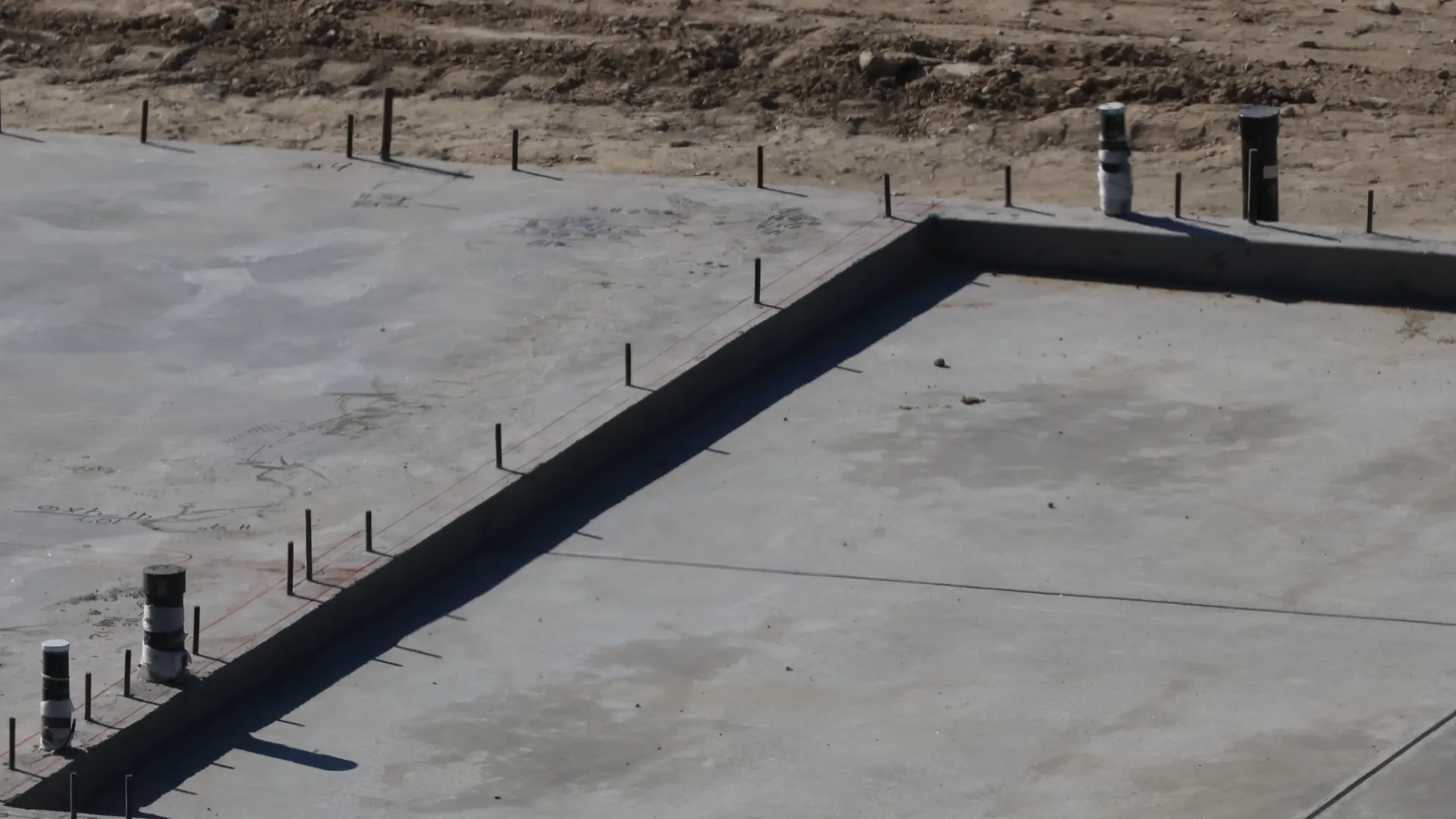
Termite barrier systems are not interchangeable across every building. Existing slabs, paving, landscaping, extensions, service penetrations and access restrictions can all affect where a physical or chemical barrier can be installed. A property assessment should therefore identify what can be treated, what cannot be reached and what future building work could change. Customers should ask the provider to explain the proposed barrier in relation to the actual construction rather than relying on a product name alone.
Strategy
How a barrier works alongside inspection, building work and the questions worth asking.
A termite barrier is one part of a management strategy, not a substitute for observing the property. New landscaping, drainage changes, decks, retaining structures and renovations can create or conceal pathways. Regular inspection can help identify activity or conditions that affect the system. Owners should keep records of installation and subsequent inspections so future technicians can understand what system is present and where it was established.
If a home is being extended or renovated, termite management should be considered before areas become inaccessible. A new deck, path or garden can change the building perimeter, while plumbing and drainage changes can alter moisture conditions. Coordinating the pest assessment with the building project can help identify practical access points. Any proposed chemical work should be performed only within the technician's current authorisation and according to the applicable Queensland requirements.
Ask what type of barrier is proposed, where it will be installed, what preparation is required, which areas cannot be treated and how future inspection will work. Also ask what happens if the building changes. Queensland Health states that pest management licences specify the activities a technician is authorised to perform, and additional authorisations can apply at sensitive or high-risk places. A clear explanation is more useful than a promise of permanent protection.
A termite barrier is best understood as one component of a wider management system. Depending on the design, it may make termite entry more difficult, create a treated zone or support detection. The value of the system depends on how well it fits the building. A barrier that cannot be inspected or maintained properly may not provide the same practical benefit as a system planned around the actual construction.
Retrofitting termite barriers around an established Brisbane home can involve paths, paving, decks, garden beds, slabs and other structures. The assessment should identify which parts of the perimeter are accessible and which are not. Where access is restricted, the provider should explain the limitation rather than implying that the entire building has identical protection. This distinction is particularly important when owners compare a retrofit proposal with a system installed during new construction.
Planning a build, renovation or barrier retrofit?
Discuss the construction, access and any existing termite management system.
Renovations
A new extension or deck can alter the relationship between the building and the surrounding soil. Paving can cover areas that were previously visible, while landscaping can conceal inspection points. Owners planning renovation should discuss the existing termite management system before work begins. Keeping barrier information with building records can also help future trades avoid unintentionally compromising a management zone.

Before you approve
Q
A barrier should not create a reason to stop looking for evidence. Owners should understand how the system is inspected, which areas remain outside its coverage and what changes should trigger reassessment. If a property has an active termite history, monitoring may be particularly relevant. The frequency should be based on the building and professional advice rather than a generic marketing promise.
Q
Before approving termite barriers Brisbane customers should ask which parts of the property will be treated, what preparation is required, whether drilling or access work is involved, and what future maintenance is expected. Queensland Health regulates pesticide-based pest management and requires the relevant technician authorisation. A clear scope is more useful than a claim of total protection.

Records
If a property already has a termite management system, owners should retain whatever installation information is available. Knowing where a barrier was installed can prevent unnecessary disturbance during landscaping or building work. If records are missing, the next inspection can help establish what is visible and what remains uncertain. Future contractors should be told about relevant termite systems before they excavate, pave or alter the building perimeter.
New construction
New construction and major renovation can provide opportunities to incorporate termite-management measures before access becomes restricted. The pest professional should be involved early enough to understand the proposed building design. This is particularly useful where decks, slabs, extensions or landscaping will change the areas around the structure. The final system should be documented so the owner knows what has been installed and what future inspection requirements remain.

FAQs
Common questions about termite barriers for Brisbane homes, renovations and new builds.
A termite barrier is a physical, chemical or system-based measure intended to help manage termite entry or detection around a building.
No. A barrier is one part of termite management and does not remove every possible pathway or future risk.
Some systems can be considered for existing properties, but suitability depends on construction, access and the proposed management method.
Renovations, extensions, landscaping and other building changes can affect termite management systems and inspection access.
Maintenance depends on the system. Keep relevant inspection areas accessible and follow the provider's recommendations.
Landscaping can obstruct inspection or change conditions around a building. The provider can explain any clearance or access considerations.
No. The appropriate system depends on construction, access, existing systems and professional assessment.
Yes, relevant termite management systems should be checked as part of an appropriate inspection and according to the system requirements.
Potentially, but treatment and management decisions should follow a proper assessment of the activity and property.
Use a suitably licensed or authorised professional and verify current Western Australian requirements before work begins.
Ready to discuss a termite barrier?
Share the construction type, any existing system and planned building work.
