
Information about possum activity, roof-space concerns, humane management and property access considerations in Brisbane.
Request a Possum AssessmentPossum basics
Identify first
Possums can create noticeable movement, scratching or noise around roofs and other parts of a property. Before taking action, the animal should be correctly identified because wildlife management requirements can apply.
Noise from a roof does not automatically mean possums are present. Other animals can create similar sounds. Inspection can help determine likely access points and whether exclusion work is appropriate.
Manage it responsibly
Possum management should use lawful and humane methods. Wildlife rules can apply to handling, relocation and exclusion, so property owners should use an appropriately qualified provider.
Once activity is confirmed, a provider may identify suitable entry points and explain whether repairs or exclusion measures are appropriate. The timing of exclusion can matter if dependent young are present.
Maintaining roof areas, repairing damaged screens or vents and managing vegetation near access points can reduce opportunities for future entry, subject to professional advice.
Choosing a provider
When comparing possum removal Brisbane options, focus on the actual problem, the property conditions and the scope of work rather than a generic promise. Provide the suburb, property type, affected area, visible evidence and any relevant history. A suitable local provider should explain the recommended approach, preparation requirements, safety considerations and whether follow-up is appropriate. Use the information on this page to understand the service and then request an assessment or quote based on the circumstances of your Brisbane property.
Before you act
Roof noises can be unsettling, particularly at night, but the sound alone does not prove that possums are responsible. Rodents, birds and other wildlife can occupy roof spaces and produce similar movement. A safe assessment should identify the animal and examine accessible evidence before an entry point is altered. This matters because possum management involves wildlife considerations that are different from ordinary pesticide-based pest control. Customers should not attempt to trap, handle or relocate wildlife based on an assumption about what is inside the roof.
Exclusion and damage
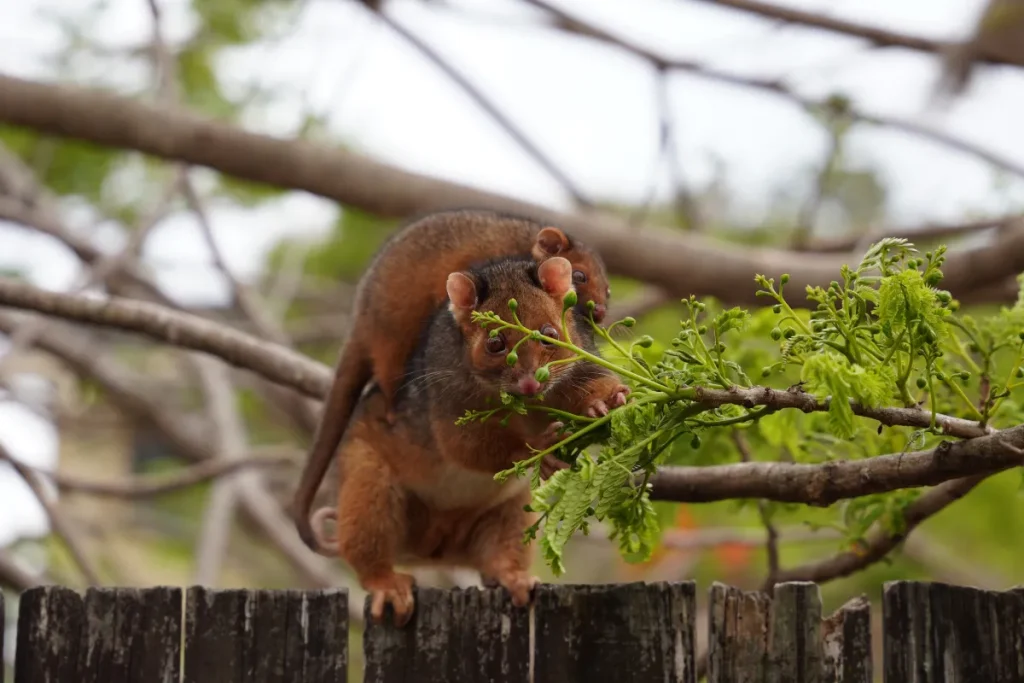
01
If a possum is using a roof opening, closing that opening immediately can create a welfare issue if the animal or dependent young are still inside. An authorised wildlife professional can determine the appropriate sequence for exclusion. The building may then need practical repair so the animal cannot simply return through the same gap. Vegetation leading to the roof can also be relevant, but pruning should be considered with wildlife behaviour and applicable requirements in mind.
Possum activity can disturb insulation, create droppings and noise, and affect stored materials within a roof cavity. The extent depends on the property and how long the animal has been using the space. If insulation or building materials have been affected, those repairs are separate from wildlife management and should be considered after the animal issue is safely resolved. Photographs can help document visible damage without requiring the customer to enter an unsafe roof space.
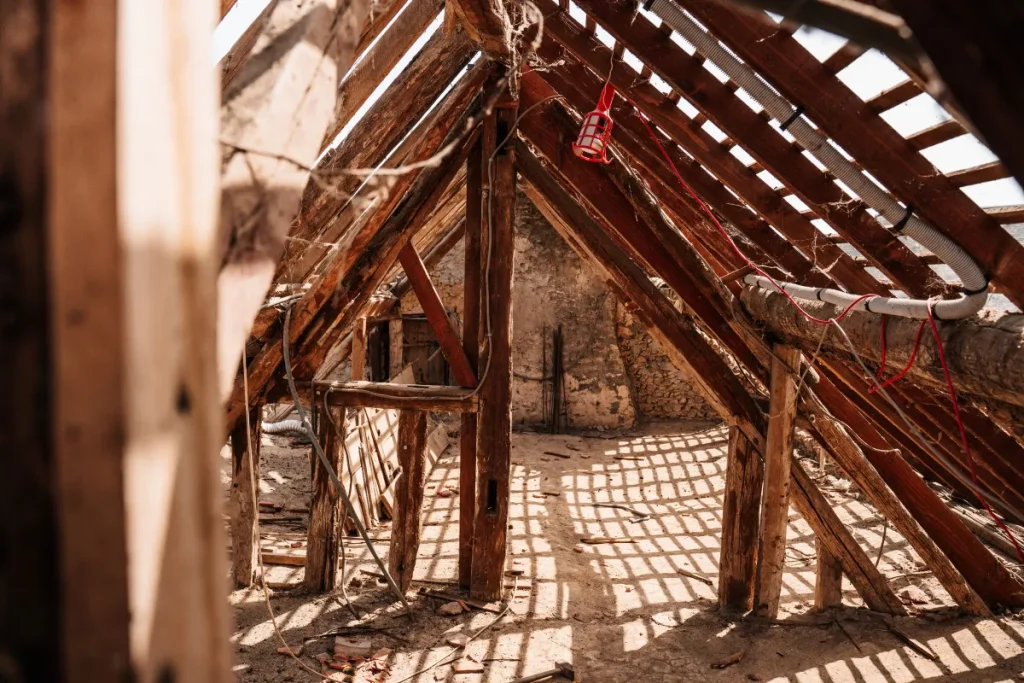
02
Provider authority
Do not assume that a standard pest-control licence automatically authorises every wildlife service. Ask what authority the provider holds for possum work and what method will be used. If the provider proposes pesticide-based pest management as part of another service, Queensland's pest-management licensing requirements also need to be considered. Queensland Health regulates pesticide and fumigant activities and specifies authorised activities for licensed technicians.
Hearing movement in the roof?
Describe the noises, timing and any visible entry points to discuss the right next step.
Wildlife rules
A roof-space noise should not automatically be labelled a possum. The timing of movement, droppings, visible damage and the location of an entry point can help establish what is happening. If the animal is visible, observe from a safe distance rather than attempting to catch it. Correct identification matters because possums are wildlife and their management can involve requirements that differ from ordinary household pest treatment.
Sealing an opening before confirming that the roof space is empty can create an animal-welfare problem. The sequence of inspection, exclusion and building repair should therefore be planned carefully. If young animals may be present, that information is particularly important. An authorised wildlife professional can determine the appropriate approach for the property and circumstances.
Repairs and access

03
Once the animal issue is resolved lawfully, the building may still have a gap or damaged component that allowed access. Repairing that entry point can be an important part of preventing recurrence. The repair should be designed so the building remains weather-resistant and wildlife is not unintentionally trapped inside. If insulation or stored materials have been disturbed, those repairs should be considered separately.
Vegetation can provide routes to a roof, but tree work itself can involve wildlife considerations. Owners should not make major pruning decisions solely because they have seen a possum. A professional can advise on the relationship between the vegetation, the roof and the animal's behaviour. The goal is to reduce access without creating another wildlife problem.
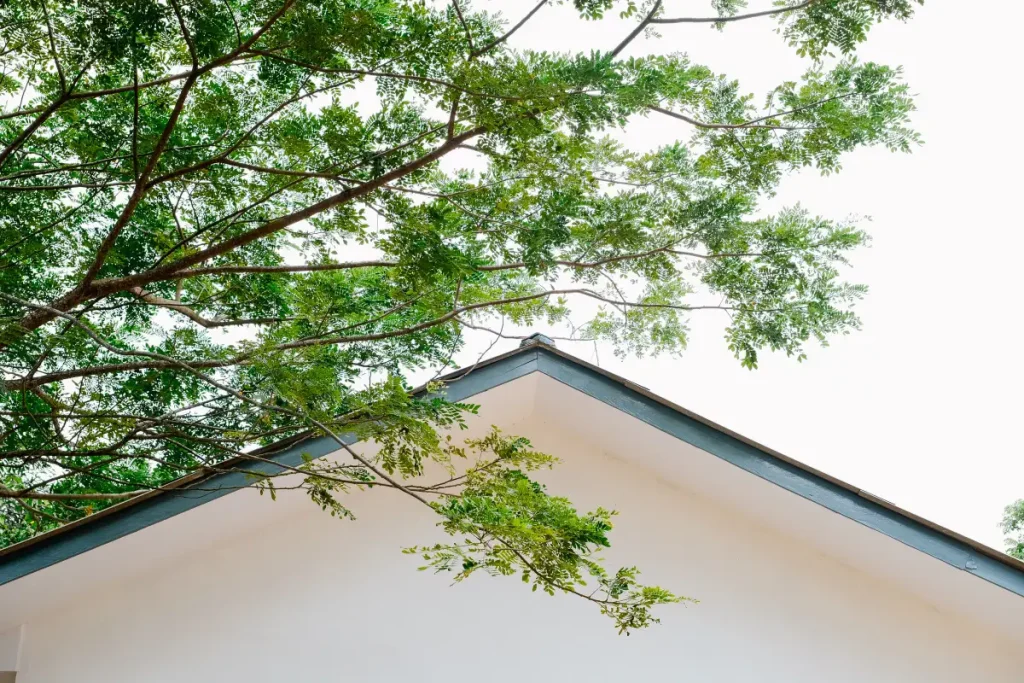
04
Ask first
Possum removal Brisbane enquiries should confirm the provider's relevant wildlife authority rather than relying on ordinary pest-control credentials. If the service also involves pesticide-based activity, Queensland's pest management licensing framework applies to that component.
Safety and prevention
Roof cavities can contain insulation, electrical services and unstable surfaces, so customers should avoid entering them simply to confirm an animal. A photograph or description from an accessible location is preferable. If the animal has died, is injured or appears trapped, the situation should be handled through an appropriate wildlife pathway rather than ordinary household pest treatment.
Once a possum issue has been assessed and the animal has been lawfully managed, the building can be checked for practical entry points. Repairs should be timed so wildlife is not trapped inside. Roof maintenance, damaged vents, gaps around structures and nearby vegetation may all deserve consideration. The final solution should protect the building while respecting applicable wildlife requirements.
If a possum is suspected in a roof, keep the area quiet and avoid trying to flush the animal out. Unnecessary disturbance can make the situation harder to assess. Record the time the movement is heard and the location where it seems strongest. If the property has children or pets, keep them away from the suspected access area until a suitable provider has assessed it.
Service scope
A possum service may involve identification, assessment of entry points, lawful exclusion and advice about building repairs. These are not necessarily the same as ordinary pest treatment. Ask which parts of the process the provider is authorised to perform and whether any repair work is included separately. This avoids assuming that a wildlife call automatically covers roof repairs or other building maintenance.
FAQs
Common questions about possums in Brisbane roofs and humane possum management.
Scratching, movement and noise can be signs, but other animals can sound similar. Inspection is useful for identification.
Possum management must follow applicable wildlife rules and use humane methods. Use an appropriately qualified provider.
Do not seal an opening until you are confident the animal and any dependent young are not trapped inside. Obtain professional advice.
Yes. Native possums are protected wildlife in Queensland under the Nature Conservation Act 1992. Confirm current Queensland requirements and use an appropriately authorised wildlife professional.
They may use gaps around roof structures, eaves, vents or nearby vegetation. A property assessment can identify likely access points.
They may return or other animals may use the same access point unless appropriate exclusion or maintenance measures are addressed.
Vegetation can create access routes in some properties. A professional can advise whether trimming or other measures are appropriate.
No. Possum management should use lawful, humane methods and should not rely on inappropriate poisons.
Exclusion and management need to account for dependent young. Seek professional wildlife advice before sealing access.
After lawful management, address suitable entry points and property conditions that provide easy access, following professional advice.
Ready to have the roof activity assessed?
Share the suburb, the noises you've noticed and where they seem strongest.
