
Learn about cockroach activity, treatment considerations, hygiene and prevention for Brisbane homes and commercial premises.
Request Cockroach ControlThe basics
Cockroaches can use kitchens, bathrooms, wall cavities, cupboards, appliances, drains and other sheltered areas. Food residues, moisture and warmth can contribute to activity.
Different cockroach species can behave differently and may require different treatment considerations. Evidence such as size, colour, location and activity pattern can assist identification.
A suitable approach considers where cockroaches hide rather than only treating areas where they are seen. Cracks, voids, appliances, cupboards and service penetrations may need consideration.
Cleaning, food storage, waste management and moisture control can reduce the conditions that support cockroaches. These steps complement professional treatment.
Food businesses and commercial kitchens need particular attention to hygiene, access, storage and operational continuity. Treatment should be planned around the site's requirements.
Choosing a provider
When comparing cockroach control Brisbane options, focus on the actual problem, the property conditions and the scope of work rather than a generic promise. Provide the suburb, property type, affected area, visible evidence and any relevant history. A suitable local provider should explain the recommended approach, preparation requirements, safety considerations and whether follow-up is appropriate. Use the information on this page to understand the service and then request an assessment or quote based on the circumstances of your Brisbane property.
Where they hide

Kitchen
Seeing one cockroach can be enough to justify attention, but it does not automatically reveal the extent of activity. The species, age of the insects, frequency of sightings and location can all provide clues. Kitchens, bathrooms, appliances, cabinetry, wall voids and service areas can offer shelter. A technician can assess likely harbourage rather than relying solely on where the latest insect was found.
Bathroom
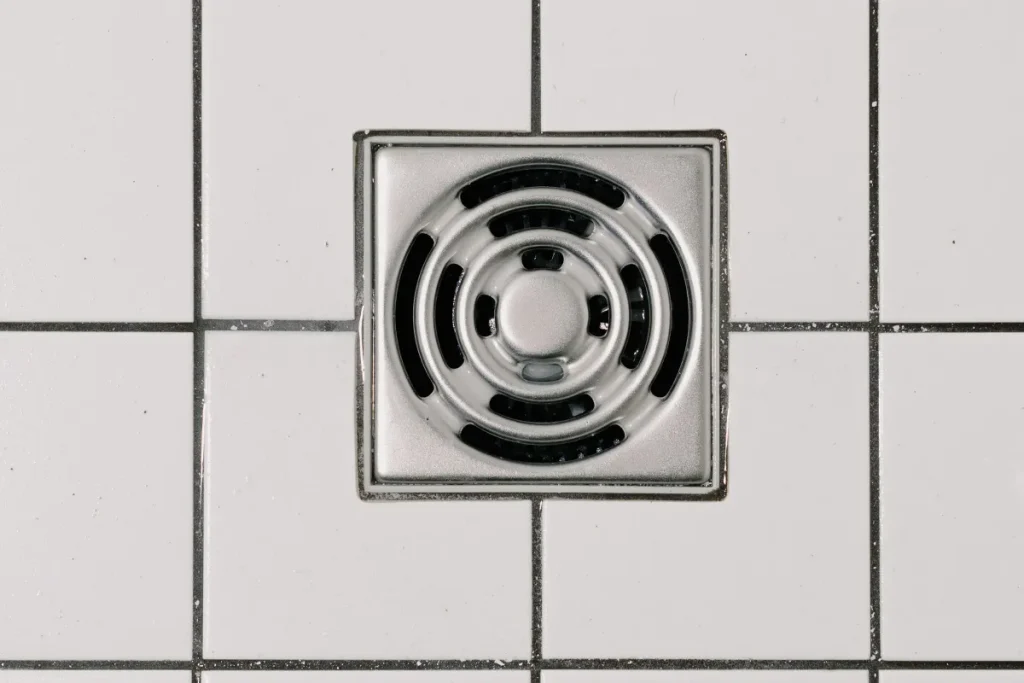
Cockroaches can use small amounts of food and moisture, so recurring infestations often involve environmental conditions as well as the insects themselves. Leaking fixtures, condensation, rubbish, grease and unsealed food can all be relevant. The appropriate response depends on the property. In a commercial kitchen, the treatment plan also needs to account for food-handling procedures and access. A residential kitchen may have a different preparation process.

Apartments
In multi-unit properties, cockroach activity can move through service penetrations or shared spaces. If several dwellings report similar activity, treating one apartment in isolation may not address every contributing factor. Property managers and body corporates should document where activity is being reported and coordinate access when a broader assessment is appropriate.
Follow-up
Cockroach control can require monitoring or additional treatment depending on the species and infestation. Ask what signs should be watched after the initial service and when the provider recommends reassessment. Avoid making unverified claims about permanent eradication. Queensland Health requires relevant pesticide-based pest management activity to be undertaken by appropriately licensed and authorised technicians.
Seeing cockroaches again and again?
Describe where and when you see them to discuss the right next step.

Identification
The first cockroach seen in a kitchen is not necessarily the extent of the problem. The species, size, frequency and location of sightings can provide clues about where harbourage may exist. Small insects near appliances, cupboards or warm service areas may point to a different pattern from occasional larger cockroaches entering from outside. A technician can use the evidence to decide how broadly the property should be inspected.
Harbourage
Cockroaches prefer protected spaces where food and moisture are available. Gaps around cabinets, appliance voids, plumbing areas, storage zones and other sheltered locations can all be relevant. Cleaning visible surfaces is useful but may not remove concealed harbourage. A treatment plan should therefore connect the insect sightings with the building conditions that allow them to persist.
Multi-unit properties
In apartments and townhouses, cockroach movement can involve shared walls, service penetrations or common areas. If several residents are seeing activity, the property manager may need to coordinate a broader response. Treating one dwelling without considering the building can leave a recurring source untouched. Records of previous treatments and affected locations can help establish whether activity is isolated or connected.
Commercial cockroach control
Food businesses have practical and compliance considerations that ordinary residential treatment does not. Treatment areas, food storage, preparation surfaces, operating hours and cleaning procedures need to be coordinated. The pest provider should explain preparation and access requirements clearly. If the premises is a sensitive or high-risk place, additional Queensland authorisation requirements may apply.
After the service
After treatment
Cockroach control Brisbane customers arrange should include clear advice about what happens after treatment. Ask what signs are expected, when monitoring should occur and what would justify another visit. Queensland Health requires regulated pesticide activity to be undertaken by appropriately licensed and authorised technicians.
First results
After an initial cockroach treatment, note whether sightings change in number, location or timing. A different pattern can help the technician determine whether harbourage remains or whether activity is coming from another area. Do not automatically add another household insecticide when the first treatment does not produce the expected result. Tell the provider what changed and what did not.
Storage check
Pantries, cardboard storage, appliances and warm service spaces can provide shelter. The exact areas depend on the property and species. Keeping storage organised and making relevant areas accessible can support inspection and treatment. Commercial premises should also consider delivery areas because packaging can sometimes provide a route for pests into a building.
Building conditions
If cockroaches continue after treatment, look at the conditions that remain available to them. Food residue, moisture, cardboard storage and concealed gaps can all be relevant depending on the property. A technician can identify which factors matter rather than asking the customer to change everything. In a business, corrective actions should be assigned to the relevant staff member so the change can actually be maintained.
Report back
A reduction in sightings, a change of room or continued activity can all be useful information. Keep a simple note of when cockroaches are seen after the service and whether they are larger, smaller or appearing in a different location. That information can help determine whether follow-up is needed and where the technician should focus.
FAQs
Common questions about cockroach control for Brisbane homes, apartments and food businesses.
Warm conditions, food availability, moisture and building access can contribute to cockroach activity. Property conditions also influence risk.
They can hide in cracks, cupboards, wall voids, appliances, kitchens, bathrooms and other sheltered areas.
Results depend on species, infestation level, harbourage and treatment method. Follow-up may be appropriate for some infestations.
Follow the provider's preparation instructions. Cleaning and removing food residues may form part of preparation, but instructions vary by treatment.
Some cockroach activity can be associated with plumbing and drainage areas. A professional can assess the relevant property conditions.
Reduce food and moisture sources, maintain cleaning, address suitable entry points and follow the provider's prevention advice.
Yes, but adjoining properties and shared building spaces can affect pest movement. Property managers or body corporates may need to be involved.
Commercial pest management can be designed around food premises, but treatment must account for hygiene, access and operational requirements.
Frequency depends on infestation history, property conditions and whether the service is corrective or preventative.
Contact the provider and explain where and when activity is occurring. Further inspection or treatment may be appropriate.
Ready to deal with cockroaches properly?
Share the property type, where you see them and any previous treatments.
